
If you’ve had any time working with network security policy management, then you know it can feel like a constant effort. This can be seen from several angles, but this policy’s aim is to guarantee your strategy is sufficient for modern cyber risks.
Whether you want to define them as rules or best practices, network and information security definitely come with some do’s and dont’s. Aside from the rules you have set in place, the hardware, software, or combination that you have integrated should be able to meet the needs of your business at all times.
The scope of network security policy management includes factors like data access, sharing permissions, and various protections. For this article, you’ll get a brief exploration of what network security policy management is, and where firewalls find their place in the mix.
Understanding Network Security Policy Management
No matter what stage your business is in, you’ll always have sensitive data that you want to keep protected. This goes beyond the individual files themselves, as the whole of your entire network could pose a wide range of risks.
Having your thumb on every aspect of network security policy management ensures those risks don’t become a reality. It’s more than just defining the parameters of your policy, as it should also consider implementation, long-term monitoring, and rules on when and how changes should be made.
As your business continues to grow, the needs of your network security will only become more complex. In turn, you deal with a higher demand for effective policy management for network security.
Key Components of Network Security Policies
Having a policy for this in place on top of network security tools isn’t just for your protection alone. Other caveats like data and consumer protection laws might come into play here as well.
A few core components that are commonly included with network security policies include:
- Implementation of authentication rules, as well as potential layers for role-based access and encryption
- Identify known cyber risks and include solutions and security parameters catered to such specific risks
- Always follow through with processes pertaining to regular updates for any network security software or hardware
- Highlights anything important regarding data security compliance and popular regulations like GDPR and HIPAA
There’s nothing stopping you from customizing your policy, but you shouldn’t ignore any requirements that come first. For your policy to truly be effective, you also have to consider any hardware or software that’s a part of your network security architecture.
How Firewalls Play Into Your Security Policy
Although there are numerous players in the scope of your network security, firewalls play a pretty significant role. Whether you’re working with cloud network security or physical hardware, firewalls are a big part of your defense strategy.
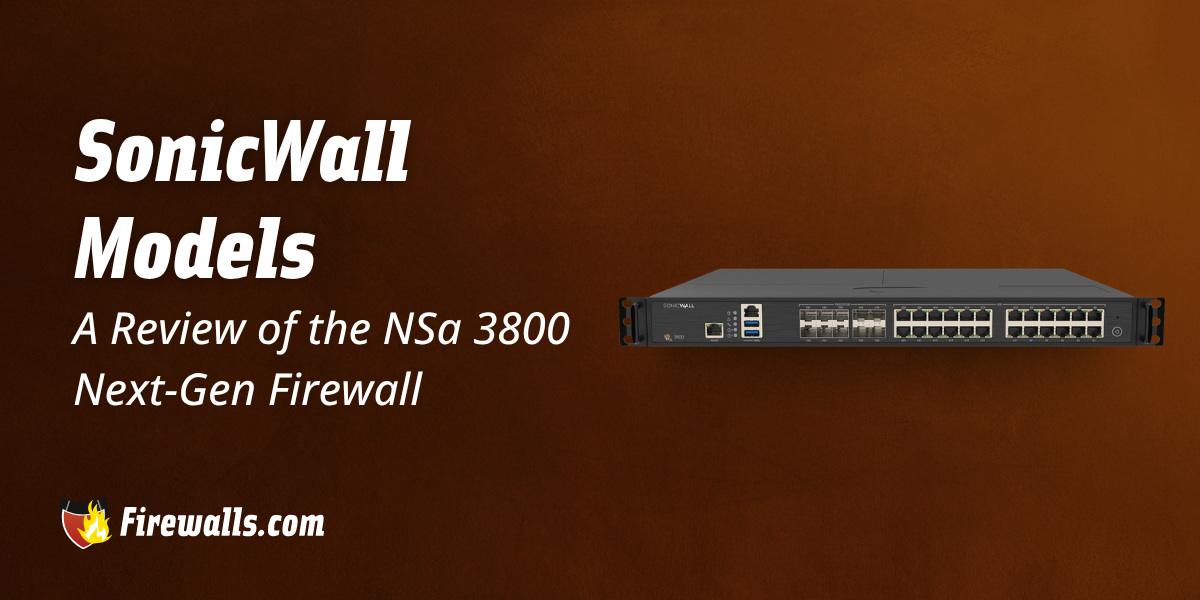
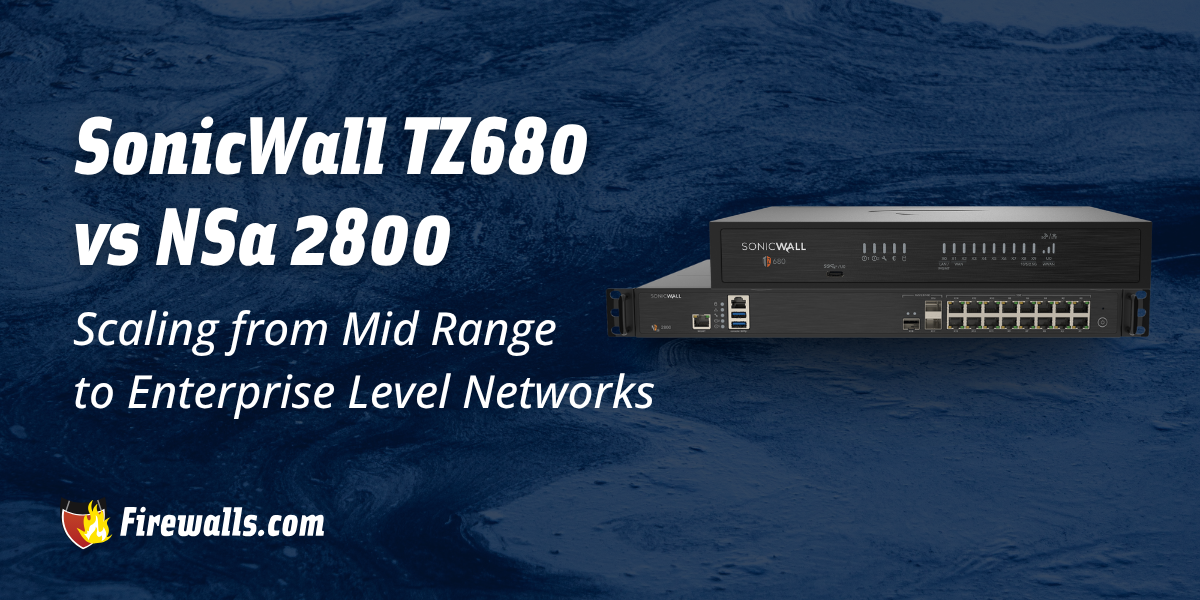
This tech also helps you analyze your network traffic on multiple levels, which helps IT teams pinpoint any potential threats. You’re bound to run into a broad range of firewall tech, and there are numerous network security providers you can rely on. A few leading examples of this would include the likes of SonicWall firewalls or even Sophos or FortiGate solutions, all of which bring something unique to network security features.
Your policy management should also include parameters to enforce your security protocols through the firewall tech itself. Whether you’re using hardware or software solutions isn’t so much the question. How you plan on handling your policy management is crucial, as this overlaps with every piece of hardware and interaction you have on your network.
Final Thoughts
Staying on top of your business network and information security is a multi-layered process that requires attention day in and day out. Although this is true, it shouldn’t feel overwhelming or too much to handle.
One of the best ways to accomplish a seamless experience with this is through effective network security policy management. If you’d like a little hands-on guidance with firewall solutions for your policy management, reach out and let us help you find the right choice.