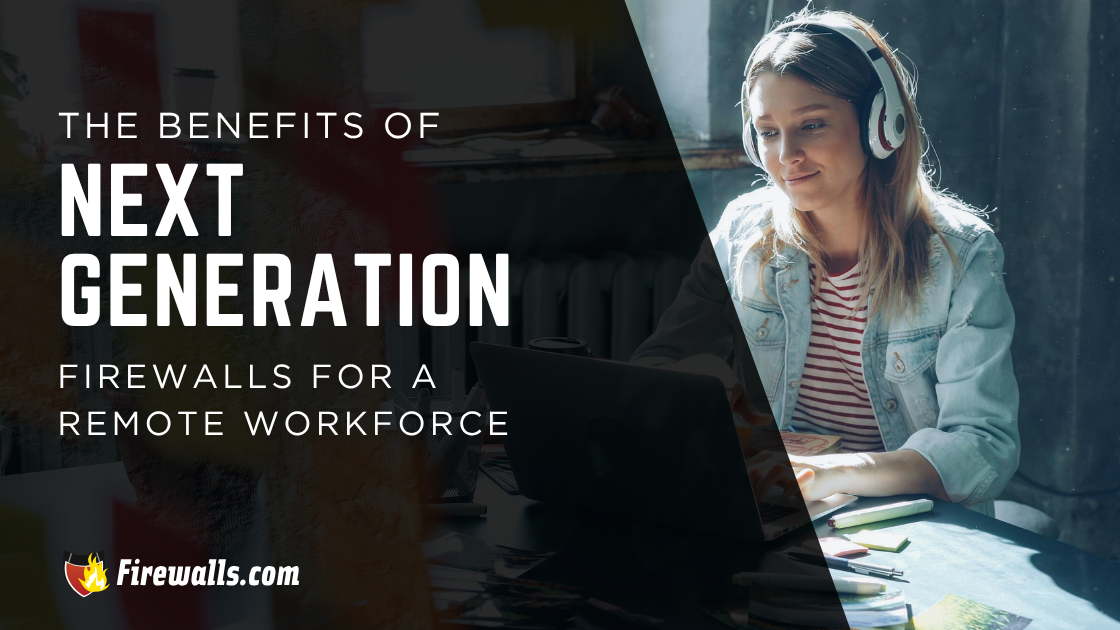
With each passing year, remote work is only becoming more common all across the world, making next generation firewalls (NGFWs) a focal point. Most people are focused on its benefits, but a remote workforce also comes with more security risks. Remote employees may access company information or resources from a variety of locations.
Having the right network security solutions helps keep your organization protected, regardless of where your employees clock in from. Since the idea of remote work isn’t going anywhere, many companies are having to revisit their approach to network security. In this article, get an unfiltered look at the benefits of next generation firewalls for a remote workforce.
The Scope of Cyber Security Risks for Remote Work
You can find a lot of upsides to remote work, but it does open up a company to more cyber security risks. A lot of this has to do with the fact that many workers are chiming in from their home networks and personal devices. In short, a company can’t rely on the security of different home networks to keep their work secure.
Here are a few other ways your company could encounter cyber security risks by using remote workers:
- Decentralized access to cloud applications
- Open information due to the potential use of public Wi-Fi networks
- Difficulty maintaining uniform cyber security protocols
- Potential for added exposure to phishing attempts and ransomware
Although none of these issues are new information, you don’t want to make your business more susceptible to them. Since remote working will only become more prevalent with time, having the best next generation firewall solutions is a must.
What are the Benefits?
Compared to traditional firewall hardware, next generation options come with a few features that are hard to beat. Remote security monitoring demands a few extra steps in cyber security. A good example of this would be zero-trust security measures and deep packet inspection (DPI).
This allows you to analyze network traffic in real time while utilizing authentication layers for every single user. On top of that, AI-driven solutions are becoming more common as well. Primarily in threat detection, AI uses machine learning to stop threats from a proactive standpoint. Better yet, overall response time is heavily minimized. A remote workforce may challenge a company’s network security, but NGFWs can deliver the network firewall protection you need.
Consistent and Secure Remote Access
Security matters on both sides, for the business and every individual remote worker who has access to your network. Two other important features that should be highlighted are SD-WAN and integrated VPN support.
From protection for data transmission to optimizing network performance, remote work requires a consistent and safe connection. Getting set up with a remote workforce isn’t that difficult, but it is crucial to guarantee that your network remains secure. When you focus on a combination of security and performance, you won’t have to worry too much about remote workers accessing company resources.
Final Thoughts
The topic of remote cyber security can feel new to a lot of organizations. Whether it’s a fully remote or hybrid workforce, it demands thorough network security solutions that can stay one step ahead of the threats.
Among the many hardware firewall options on the market, NGFWs are a breed of their own. If you’d like to learn more about what the tech can do for your remote workers, reach out to the Firewalls team for more information.