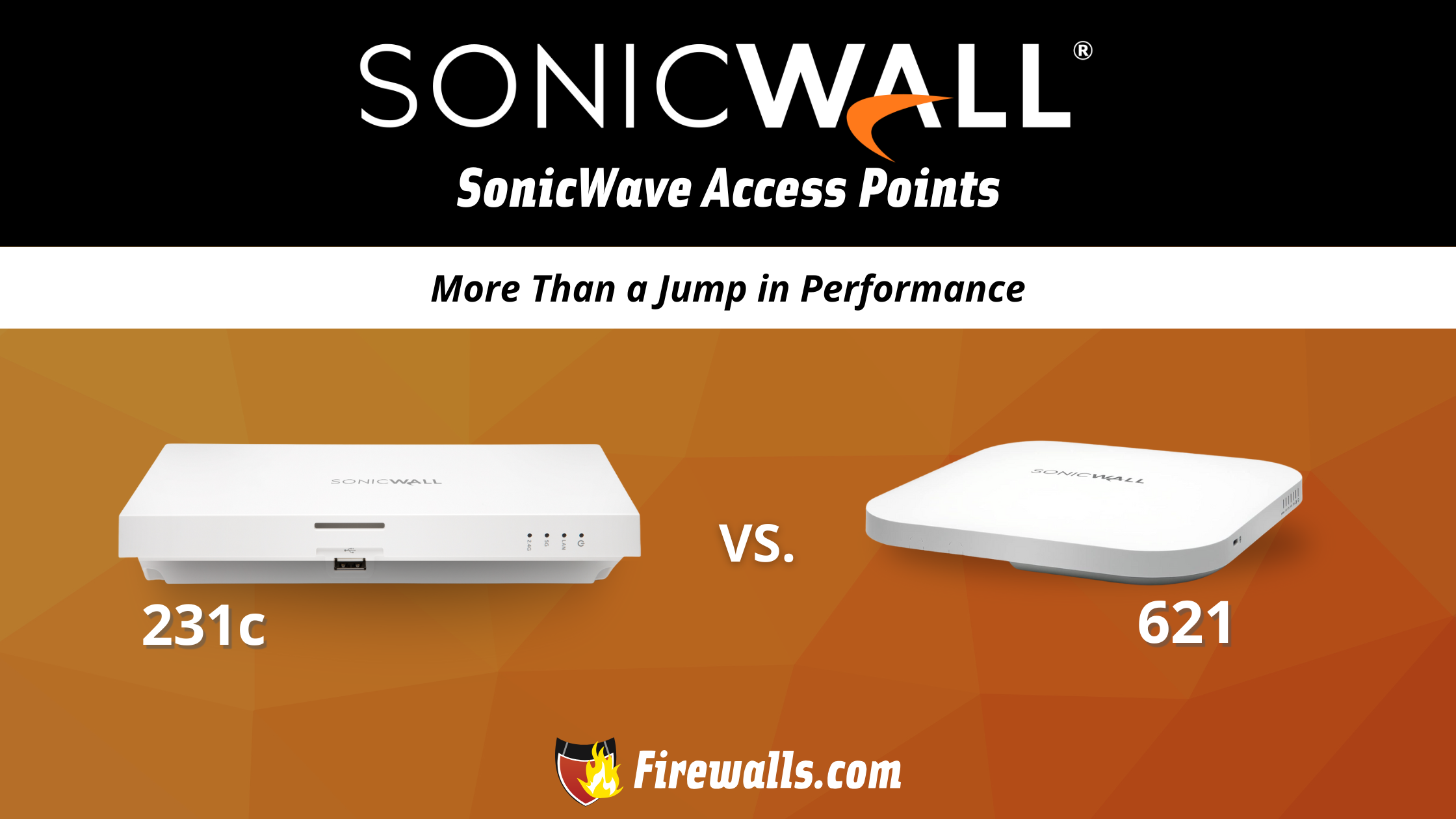
While both SonicWave models are enterprise-grade access points, they bring some unique specs to the table. The best way to determine the differences is through a direct comparison of SonicWall SonicWave 231c vs SonicWave 621.
It’s important to note that the 621 isn’t just a performance upgrade but a range of new features not found in the 231c. Between network architecture and capability, both SonicWave models serve specific needs in network accessibility and security. This article breaks into a clear-cut comparison to help you determine which wireless access point (WAP) aligns with your needs.
High Security Access Points for Office Use
In today’s world of modern offices, network security is just as important, if not more important than accessibility. The best access points help with traffic management, real-time threat detection, and a lot more network support than you might expect.
Whether you’re looking at the 231c or 621, your business is getting the benefit of SonicWalls’ comprehensive focus on security. This includes features like deep packet inspection and centralized management, all handled through the Capture Security Center. Similarities aside, both of these WAPs offer something unique to cater to varying network and operational demands.
What is the SonicWave 231c?
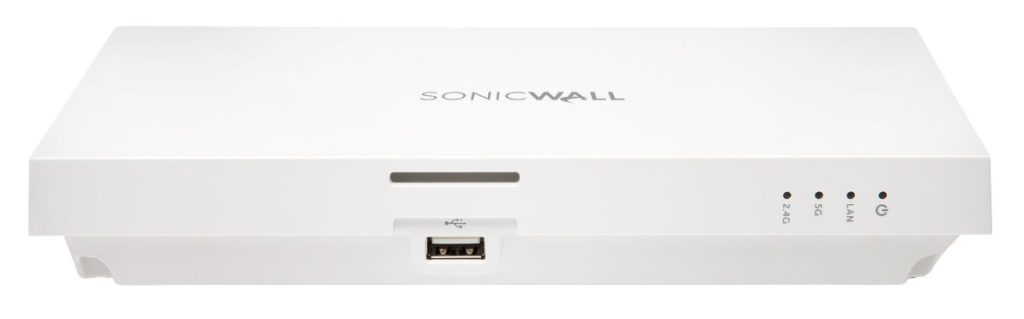
A reliable ceiling-mounted wireless access point, the SonicWave 231c is a great option for small to mid-size organizations. The short version is that it supports 802.11ac Wave 2 Wi-Fi. Of course, it’s made of more than this, which can be seen in its throughput, dual-band capabilities, and more.
Here are several important details about the SonicWave 231c:
- PHY Rate: Up to 2.34 Gbps
- Supported Data Rates: 867 Mbps for 5GHz radio and 400 Mbps for 2.4GHz radio
- Location: Ceiling mount
- Virtual AP/SSID Group: Up to 8 per access point
- Status Indicators: 4
For this to make clear sense, it’s best to size up the numbers against the SonicWave 621. While the 231c is more than enough for many businesses, that may not be the case for you. Cybersecurity measures include a variety of network hardware, and WAPs are high on the list for many organizations.
What is the SonicWave 621?
With this particular model, you’re getting high-performance reliability that’s built on the Wi-Fi 802.11ax standard. This is pretty important for many of today’s high-density networks. You can see how this translates to enhanced network security with seamless integration with SonicWall’s firewall models.
This is how the SonicWave 621 stacks up against the specs of the 231c:
- PHY Rate: Up to 4.8 Gbps
- Supported Data Rates: For 802.11ax it’s 4.8 Gbps for 5GHz and 1,147.5 Mbps for 2.4GHz
- Location: Ceiling mount
- Virtual AP/SSID Group: Up to 8 per access point
- Status Indicators: 7

SonicWall’s various SonicWave WAPs are more than these details alone. If you’re going to aim for a long-term solution, you’ll need to reference a deeper side-by-side comparison.
SonicWall SonicWave 231c vs SonicWave 621
If you were to dive off into the datasheets on your own, you’d have to sort through a seemingly endless list of specifications. However, you don’t need to know every minute detail to make a data-backed decision for your network. Take a look at the table below for a more in-depth look at both WAPs.
| Specification | SonicWave 231c | SonicWave 621 |
|---|---|---|
| Location | Ceiling mount | Ceiling mount |
| Max Power Consumption | 12W | 21W |
| Dedicated Third Scanning Radio | Yes | Yes |
| USB | 2.0 | 3.0 |
| Antenna Type | Internal | Internal |
| Max Clients per Radio | 128/32 | 256/150 |
| Status Indicators | 4 | 7 |
| PHY Rate (Gbps) | Up to 2.34 | Up to 4.8 |
You’ll also want to keep in mind whether you need one or more units for your operational needs. Not to be confused with what firewall tech has to offer, the best access points should offer secure accessibility for years. However, just like firewall hardware, WAPs eventually hit their own end-of-life (EOL) date. For the 231c, this particular model will meet its end of support in July of 2027.
The Bottom Line
Comparing the SonicWall SonicWave 231c vs SonicWave 621 isn’t about which one is better than the other. It’s about understanding the specs and how they’ll translate to your everyday needs.
Security and accessibility are equally important, but focusing on the potential limitations helps too. For those who’d like to learn more about SonicWall’s WAPs, we’re always here to walk you through the decision-making process.