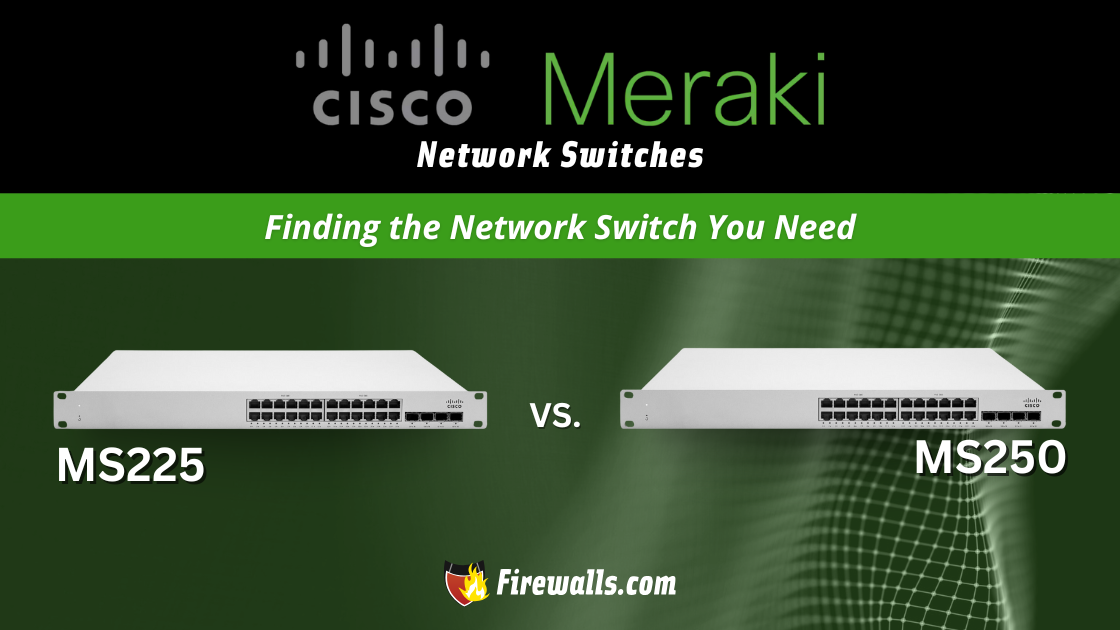
While both of these network switches share a core focus, their features and capabilities are bound to vary here and there. Comparing Meraki switches MS225-24 vs MS250, one is more cost-effective for branch deployments and the other for mission-critical or small campus environments.
Both come with stacking capabilities, in addition to 10G SFP+ uplinks, which promise scalability and high performance. Between deployment, redundancy features, and PoE+ power support, there’s a lot to unpack here.
Deciding on which network switch is ideal for your operation comes with a multitude of questions. This article offers the answers and insight you’re looking for to determine which of these Meraki switch models is best for you in the long term.
A Review of Cisco Meraki Switches
The Meraki brand name is known for its products, consistency, and reliability. You can find that same sentiment toward Meraki MS switches, regardless of the model available. Businesses appreciate their seamless integration, and this pertains to your existing network setup and other Meraki products.
There are many flexible options to choose from, with features like field-replaceable power supplies and remote power redundancy. Sure, different models are suitable for a variety of use cases, but the tech as a whole does more than get the job done. When it comes to the MS225 vs MS250, you want to dig into the datasheets to identify which is best for your operation.
What is the Cisco Meraki MS225?
Offering gigabit access between 24 and 48-port models, the MS225 is more than ideal for branch deployments. Another big selling point here is the cloud-based management. This includes zero-touch provisioning, detailed event logs, remote configuration, and a lot more.
Several important details about the MS225 include:
- Layer Support: Layer 2 access switching
- Power Redundancy: Option for external remote PSU
- Stacking Compatibility: Compatible with the MS210 series for physical stacking
- PoE Management: No dynamic power allocation for PoE
- Routing Capability: Does not support Layer 3 static or dynamic routing
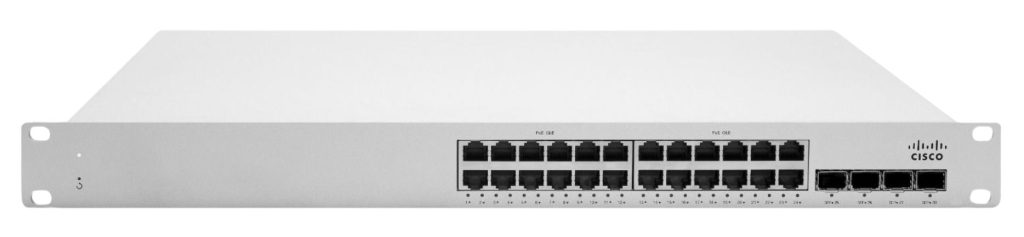
It’s evident that the MS225 fits a particular use case. When you look into the 250 Meraki MS datasheet, you’ll see it fills a few of these gaps with several capabilities.
What is the Cisco Meraki MS250?
Like most hardware models that are higher up on the roster, there tend to be several advancements involved. If not that, the capabilities go a bit farther than models sitting lower on the list. The MS250 shares a few similarities with the 225, but we’re here to focus on what sets it apart.
You’ll notice a few key differences in the specs compared to the MS225:
- Layer Support: Layer 2 and 3 switching and routing
- Power Redundancy: Supports internal, field-replaceable redundant power supplies
- Stacking Compatibility: Sits in a more advanced stacking tier
- PoE Management: Supports dynamic power allocation for PoE+ and optimizes power across devices
- Routing Capability: Supports Layer 3 static routing, perfect for mid-size companies or campus environments
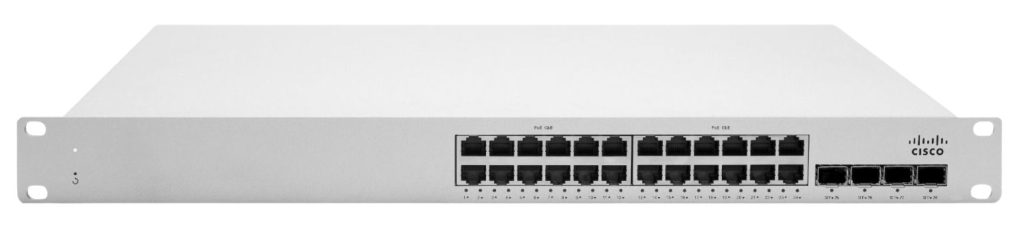
At the end of the day, the MS250 comes out to be a more robust option. In the same vein, it might be a little overkill for newer, growing businesses. For a better look at the two, the section below offers a clear, side-by-side comparison of several important categories.
Comparing Meraki Switches MS225-24 vs MS250
If you’re eyeing both of these network switches and aren’t sure which is right for you, then a clear-cut comparison is what you need. There’s no argument that both are solid options, but you need to know what you’re getting into if the hardware is going to be with you for years. In the table below, you can get a no-frills look at how both of these Meraki MS switches compare.
| Feature/Capability | Cisco Meraki MS225 | Cisco Meraki MS250 |
|---|---|---|
| Routing Support | Layer 2 | Layer 2 and Layer 3 with static and dynamic routing, including DHCP relay |
| Power Redundancy | Optional remote PSU | Internal, field-replaceable redundant power supplies |
| Stacking Compatability | Compatible with MS210 series | High-bandwidth stacking, no MS210 compatibility |
| Dynamic Power Allocation for PoE | N/A | Dynamic PoE allocation for efficient power use |
| VoIP and App Support | Voice VLAN, QoS, and Layer 7 fingerprinting | Voice VLAN, QoS, Layer 7 fingerprinting, and support for DHCP server capabilities |
| Switching Focus | Built for branch and campus access | Medium-sized enterprise and campus networks |
| Deployment Priority | Cost-effective standard deployment | Mission-critical and high-availability deployment |
| Dashboard Routing Functions | No static or dynamic routing options | Supports configuration of routing options |
As in many cases with network security tools, it comes down to your own organization and its operational demands. Whether you’re dealing with a branched organization or a growing mid-size enterprise, these factors play a significant role in your decision-making.
Final Thoughts
For those who are more worried about cost efficiency right now, the MS225 isn’t a bad idea. However, businesses hoping for more advanced features should keep their eyes set on what the MS250 has to offer.
One isn’t so much better than the other, as they are geared more toward specific businesses and use cases. Avoid any unnecessary confusion by hopping on a call with our team members, and we’ll make sure you end up with the right piece of hardware.