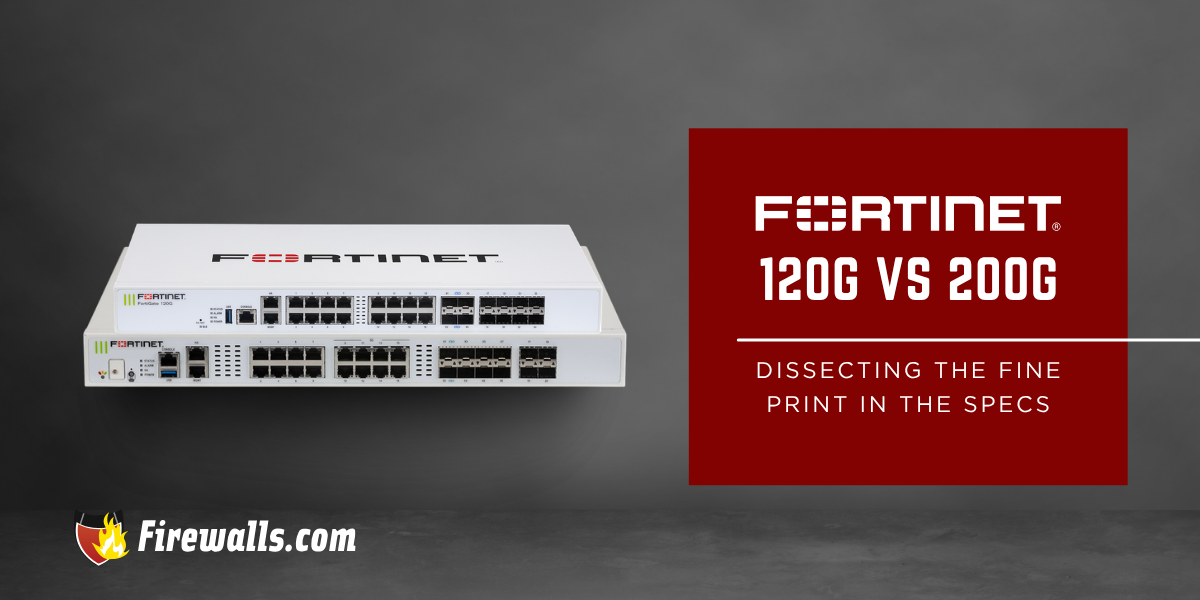
Comparisons are always vital when it comes to finding the right firewall hardware. With Fortinet, you’ll always have plenty of options, but FortiGate-120G vs 200G are two firewall models that are commonly pitted against each other.
A lot of this comes down to the fine line between their similarities and the core differences that really set them apart. This article takes a look at these two Fortinet firewalls, the fine print, and where they land when it comes to scalable network security demands.
Key Takeaways:
- Both models run FortiOS and share core enterprise security features
- The 200G delivers significantly higher throughput and session capacity
- The FortiGate-120G is better for smaller organizations and midmarket environments
- Interface density and performance tiers define real-world deployment fit
- Scalability and future growth demands are key decision-making factors
FortiGate Firewalls as Your Network Support System
The network security demands of today’s businesses go far beyond any traditional concept in this space. Fortinet knows this, which is why its FortiGate firewalls effortlessly combine networking and advanced security into a single platform.
Aside from the fact that they’re available across several performance tiers, the built-in features and capabilities are stacked. Regardless of how impressive each Fortinet NGFW is on paper, honing in on the right model for your network is the most important detail here. To do this effectively, comparing a few core details can help you sort through a lot of the noise.
What is the Fortinet FortiGate-120G Firewall?
Built for those who need enterprise-grade security coupled with cost-efficiency, the FortiGate 120-G does well to combine a layered security platform. I’d say this is pretty easy to see on the surface with the likes of NGFW protection, SD-WAN, flexible connectivity, and much more.
Here’s what the firewall is capable of at a glance:
- Firewall Throughput: Up to 39 Gbps
- NGFW Throughput: 3.1 Gbps
- IPS Throughput: 5.3 Gbps
- Threat Protection Throughput: 2.8 Gbps
- Concurrent Sessions: 3,000,000
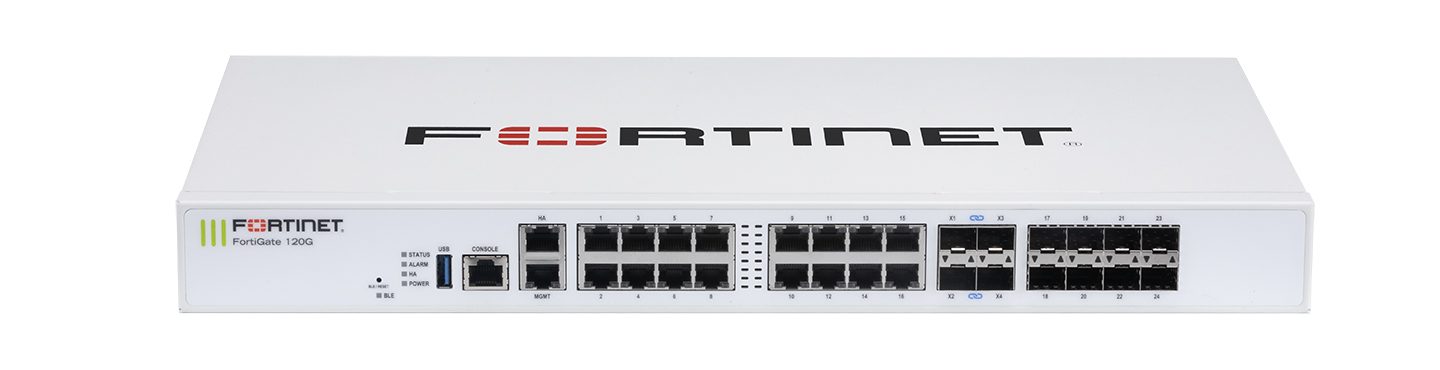
Even as impressive as this is on its own, it barely scratches the surface of everything that’s included with this Fortinet NGFW. However, no one model is the universal network security solution for every business. This is where a lot of people consider what a jump to the Fortinet 200G would look like.
What is the Fortinet 200G Firewall?
For those considering the 200G from FortiGate, you’re looking at another high-performance piece of security hardware. Also running on FortiOS, you get the same security functions with a bigger capacity for throughput and other important specifications.
Check out the details below for a quick comparison to the 120G:
- Firewall Throughput: 39 Gbps
- NGFW Throughput: 7 Gbps
- IPS Throughput: 9 Gbps
- Threat Protection Throughput: 6 Gbps
- Concurrent Sessions: 11,000,000
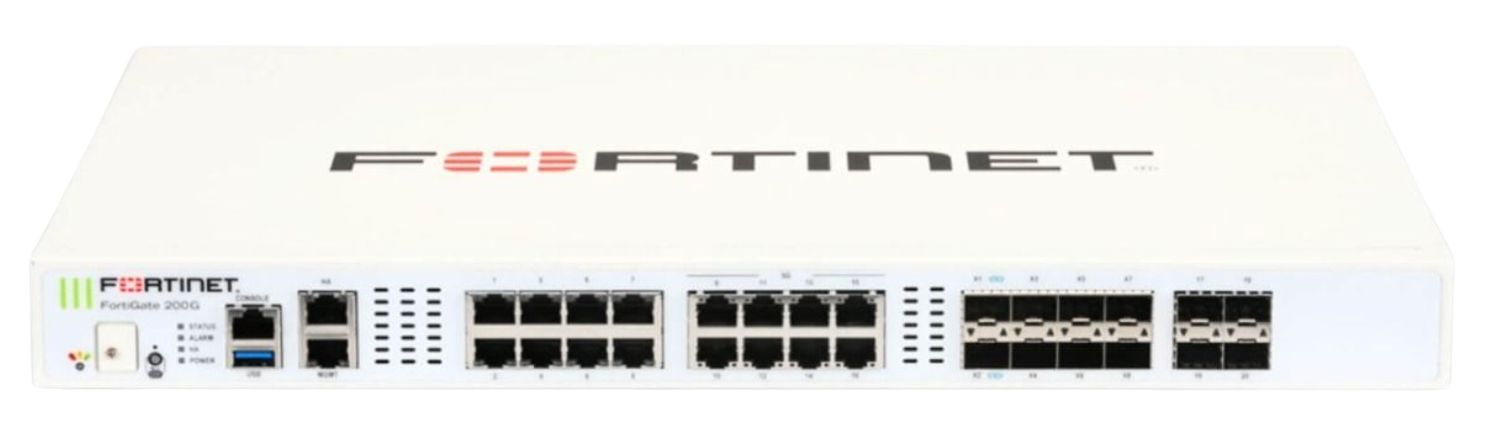
Both of these firewalls are great options for growing enterprises. However, that doesn’t mean the scalability of their architecture is the exact same. The fine print definitely matters when it comes to firewall hardware, considering its impact on your network strategy as a whole.
Comparing the FortiGate-120G vs Fortinet 200G
Between the 200G and Fortinet 120G datasheets, there’s a lot to sort through. While all of that information is highly relevant, I always like to make it a little easier for companies and IT teams to digest. Read the table below for a clear-cut comparison of the FortiGate-120G and 200G firewall models.
| Specifications | FortiGate-120G | FortiGate-200G |
|---|---|---|
| Firewall Throughput | 39 Gbps | 39 Gbps |
| NGFW Throughput | 3.1 Gbps | 7 Gbps |
| IPS Throughput | 5.3 Gbps | 9 Gbps |
| Threat Protection Throughput | 2.8 Gbps | 6 Gbps |
| IPsec VPN Throughput | 35 Gbps | 36 Gbps |
| Concurrent Sessions | 3 million | 11 million |
| New Sessions per Second | 140,000 | 400,000 |
| Max FortiSwitch Support | Up to 48 | Up to 64 |
| Interfaces | 16 x GE RJ45 8 x GE SFP 4 x 10GE SFP+ | 8 x GE RJ45 8 x 5GE RJ45 8 x 10GE SFP+ 4 x GE SFP |
Clearly, the 200G comes with a higher capacity across several categories. In the same vein, that doesn’t mean it’s automatically the best choice between the two. The reality is both firewalls are highly viable options; they just target businesses at different stages of growth.
Let’s Wrap Up
Your decision between the FortiGate-120G vs 200G is one that depends on their alignment with your real-world network demands. Those are bound to change over time, but it’s the scalability of these machines that makes sure you’re in good hands as the years pass by.
Nevertheless, in short, the 120G is great for small to medium-sized environments, while the 200G is aimed toward higher-demand networks. If you’re still unsure of which side to go with, our team at Firewalls.com is on standby to make sure you end up with the right firewall solutions for every stage of business growth.
Frequently Asked Questions
What are the Core Differences Between the FortiGate-120G and 200G?
The main difference here is scale. While both models include FortiOS and other security features, the 200G comes with higher throughput, session capacity, and overall performance.
Which Firewall is Better for Small to Midsize Companies?
It’s the 120G model that’s better suited for the needs of small and growing businesses.
Does the FortiGate-200G Offer Better Performance Than the 120G?
Yes, but this is especially seen in its throughput across NGFW, IPS, and threat protection, to name a few.
Do Both Models Support the Same Security Features?
Most definitely, as they both support core FortiOS features, which include angles like NGFW protection, SD-WAN, VPN, SSL inspection, and even ZTNA.
How Important is Scalability When Choosing Between These Models?
Scalability is critical, as the 200G is built for higher growth and traffic needs, while the 120G is better suited for stable, moderate environments.