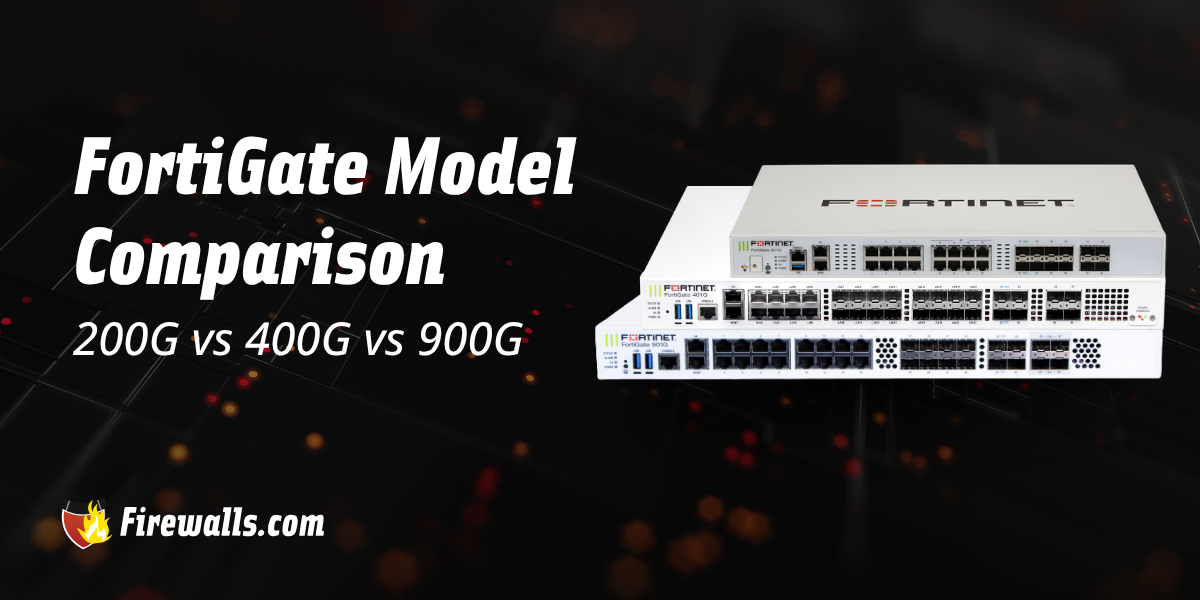
If you’re looking to upgrade from your current Fortinet firewall or if it’s your first time looking into the manufacturer, this FortiGate model comparison is a good start. More specifically, comparing the FortiGate 200G vs 401G vs 900G gives you a pretty broad range of options to consider.
Ranging from the needs of mid-range to enterprise-level operations, these firewalls can offer much more than basic network security. This article reviews the specs, capabilities, and features you can expect from next-gen FortiGate firewalls.
Key Takeaways:
- Compare firewall, IPS, NGFW, and threat protection throughput across three FortiGate models
- Review how session capacity and SSL performance scale from the 200G through the 900G
- Focus on matching firewall performance and infrastructure capacity to your network’s current and future requirements
- Understand the upside to the firewall processors and how they translate to stellar security processing capabilities
- Review the scaling interface configurations to find the right match for your operation
FortiGate Model Comparisons for Growing Business Networks
Before we dive into the differences in this next generation firewall comparison, you should know that the whole FortiGate lineup is built for scalability. That means no matter which model you start with, Fortinet has an option you can grow into down the road.
That being said, what separates these models is what’s going to end up being your biggest decision-makers for your business network. For example, the FortiGate 200G is built to support environments with 400 to 500 users. On the other end of this, the 900G is rated for up to 1,000 users. As with any firewall comparison, the need-to-know is always in the finer details.

What is the FortiGate 200G Firewall?
One of many FortiGate NGFWs, the 200G is a great option for mid-range, growing operations. Aside from the security features found in most FortiGate firewalls, the 200G has a few specs that make it stand out on its own.
Below are several leading specifications you’ll want to keep in mind:
- Firewall Throughput: Up to 39 Gbps
- IPS Throughput: 9 Gbps
- NGFW Throughput: 7 Gbps
- Threat Protection Throughput: 6 Gbps
- Max Concurrent Sessions: 11 million
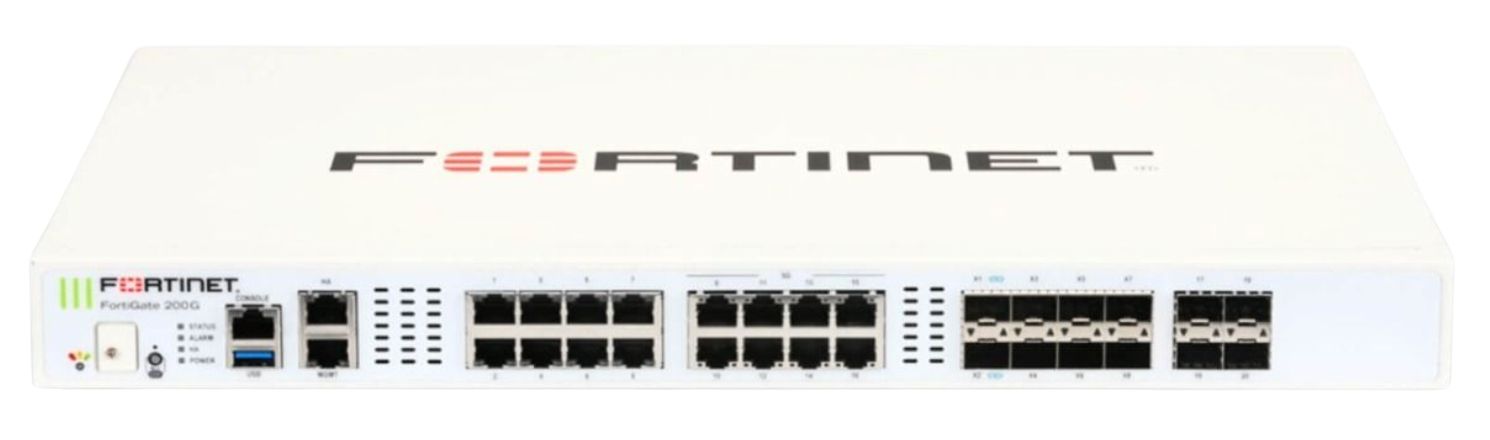
I’d also like to note something many companies overlook: the NP7Lite and CP10 processors. These are a big part of accelerating firewall processing and resource-intensive security inspection tasks.
What is the FortiGate 401G Firewall?
Moving up the line a bit, you’ll find the FortiGate 401G, which is definitely a bit stronger from a few different angles. Even if the 200G sounds like more than enough, this firewall shows there’s plenty of room to grow into here.
Check out a few of the leading comparable specs in the list below for a quick reference:
- Firewall Throughput: Up to 164 Gbps
- IPS Throughput: Up to 25 Gbps
- NGFW Throughput: 14 Gbps
- Threat Protection Throughput: Up to 13 Gbps
- Max Concurrent Sessions: 28 million
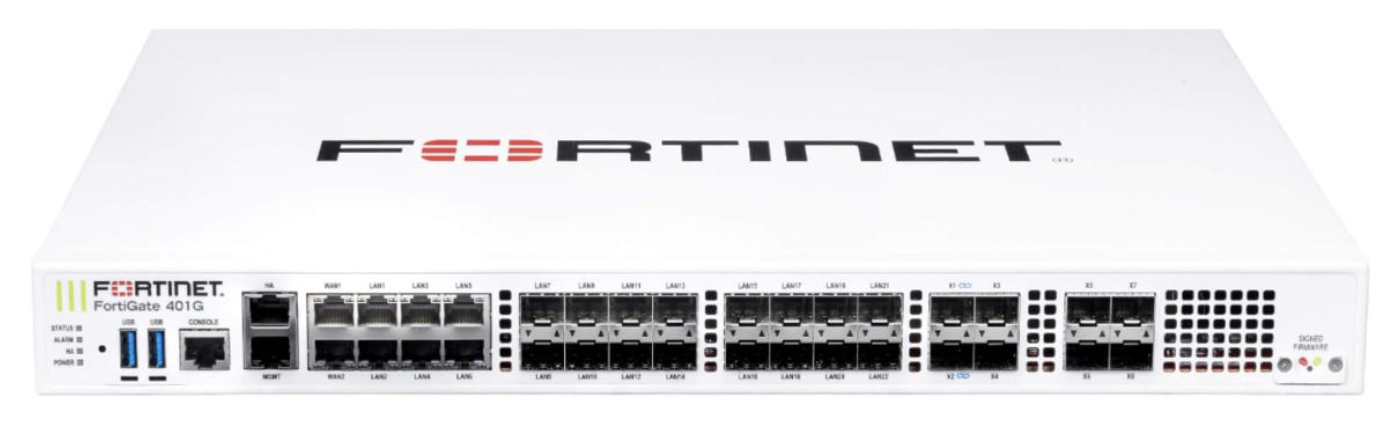
Of course, you’re getting a lot of the same security features and capabilities that you’ll find in other Fortinet firewalls. If anything, that gives you less to worry about between each model, as you can focus solely on the specs that make them unique. The spec limits on the 401G might seem steep, but the 900G follows the trend here, offering plenty for enterprise-level business networks.
What is the FortiGate 900G Firewall?
For those eyeing the FortiGate 900G, I find it important to truly understand the scale of support this firewall offers. Crafted for the needs of demanding enterprise networks, it’s safe to say the specifications on this model are pretty strong.
Take a quick look at what the 900G from Fortinet has to offer your cybersecurity strategy:
- Firewall Throughput: up to 164 Gbps
- IPS Throughput: 42 Gbps
- NGFW Throughput: 31 Gbps
- Threat Protection Throughput: 30 Gbps
- Max Concurrent Sessions: 28 million

Once again, I’d like to highlight the similarities as well. Firewall throughput shouldn’t be the only driving factor for your decision-making here. The 900G is definitely aimed at well-established, large enterprises, but that doesn’t mean it doesn’t have room to grow into. Overall, I’d say it’s a great option for any growing mid-range company or already well-established and distributed networks.

FortiGate Model Comparison Between 200G vs 401G vs 900G
Clearly, the FortiGate 200G, 401G, and 900G focus on providing different levels of performance as well as security processing. However, it’s equally important to know that all three models combine FortiOS, in addition to FortiGuard services.
You’ll find that the models scale significantly across multiple categories, such as IPS, NGFW, threat protection, SSL VPN, and more. Give the table below a quick read-through to gain a more straightforward understanding of where the differences are between these Fortinet firewalls.
| Specification | FortiGate 200G | FortiGate 401G | FortiGate 900G |
|---|---|---|---|
| Firewall Throughput | Up to 39 Gbps | Up to 164 Gbps | Up to 164 Gbps |
| IPS Throughput | 9 Gbps | 25 Gbps | 42 Gbps |
| NGFW Throughput | 7 Gbps | 14 Gbps | 31 Gbps |
| Threat Protection Throughput | 6 Gbps | 13 Gbps | 30 Gbps |
| Max Concurrent Sessions | 11 million | 28 million | 28 million |
| SSL VPN Throughput | 3 Gbps | 6.1 Gbps | 10 Gbps |
| SSL Inspection Throughput | 7 Gbps | 11.5 Gbps | 16.7 Gbps |
| Interface Details | 8 x GE RJ45 8 x 5/2.5/GE RJ45 4 x GE SFP 8x 10/GE SFP+/SFP | 8 x 5/2.5/GE RJ45 16 x GE SFP 4 x 10/GE SFP+/SFP 4 x 25/10 GE SFP28/SFP+ | 16 x GE RJ45 8 x GE SFP 4 x 10/GE SFP+/SFP 4 x 25/10 GE SFP28/SFP+ |
As someone who spends a lot of time sorting through datasheets, take it from me: specifications are only one piece of the puzzle. Whether you’re a business owner or IT lead, you need to take this information and size it up against your network’s real-world demands.
From there, you can get aligned with the right hardware. Not only for your current needs, but also to leave room to scale as your business grows over time.
A Final Word
No matter how you spin this FortiGate model comparison, the 200G, 401G, and 900G definitely share core Fortinet security capabilities. Outside of reviewing throughput specs and interface details, you’ll also want to consider infrastructure long-term.
Maybe you’re an entirely in-house workforce now, but may expand to more distributed networks down the road. All of these considerations play into whether or not you end up with the right solution. You can also speak with our team at Firewalls.com for a more direct approach to this decision, with plenty of backend support to match.
Frequently Asked Questions
What is the Main Difference Between the FortiGate 200G vs 401G vs 900G
The core differences between these firewalls are processing capacity, security inspection throughput, session capacity, SSL performance, and interface configurations.
How Much Firewall Throughput Does the FortiGate 200G Deliver?
The FortiGate 200G provides up to 39 Gbps of firewall throughput for IPv4 and IPv6 traffic.
How Many Concurrent Sessions Can the FortiGate 200G, 401G, and 900G Support?
The FortiGate 200G supports up to 11 million, while both the 401G and 900G support up to 28 million.
Does the FortiGate 900G Have Enterprise-Grade Security Throughput?
Yes, the 900G supports up to 42 Gbps of IPS throughput, 31 Gbps of NGFW throughput, and 30 Gbps of threat protection throughput, to name a few.
What Should You Consider When Comparing FortiGate Models?
Consider traffic levels, security inspection requirements, remote access needs, SSL inspection session capacity, interface requirements, as well as future network growth.