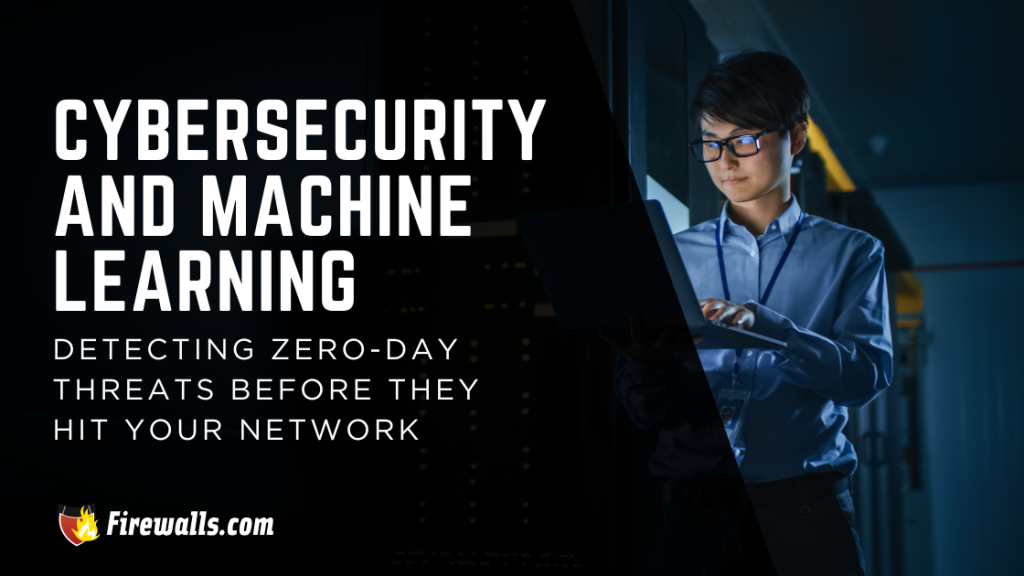
Although most people in the business world are aware of the increasing frequency of cyberattacks, very few understand the why behind it. There’s no single answer for this, but it is true that the relationships between cybersecurity and machine learning play a big part.
Not only are cyber threats becoming more frequent, but they are also becoming more sophisticated as well. Hackers are targeting advanced tools and systems with more efficiency than ever before.
While deep learning security has brought protective measures to new heights, those on the other end are using the same tech to their advantage. This article highlights the relationship between cybersecurity and machine learning so you can detect zero-day threats before they hit your network.
How Cybersecurity and Machine Learning Work Together
The short version is that cybersecurity and machine learning work together to support proactive threat detection. Machine learning can easily and efficiently analyze large volumes of network data in real time.
Here are a few other key details to think about:
- Artificial intelligence can detect anomalies and patterns invisible to human analysis
- AI powered cybersecurity tools can efficiently block ransomware, phishing, and other common attacks
- ML models do well to continuously improve by learning from new cybersecurity threats
- This proactive detection gives organizations the leverage they need to entirely avoid zero-day threats
It’s crucial for modern businesses to understand that the combination of machine learning and security is the next frontier for their network. The world is far beyond the days of traditional threat blockers. Although human intervention is still a part of the equation, machine learning delivers a proactive approach that’s void of human error.
Proactive Threat Blocker Technologies and Defense
Threat blocker solutions are in place to proactively detect and neutralize malicious activity before it becomes a problem for the network. In today’s world, threat blockers have come a long way. From integrating seamlessly with firewalls, IDS, and endpoint protection systems, it’s a huge complement to human security teams.
Having this integration offers businesses a multi-layered defense while enhancing resilience against zero-day exploits at the same time. While this particular solution brings plenty to the table, it’s far from the only automated help you can add to your security stack.
Making Use of Predictive Analytics
With predictive analytics, you get the benefit of machine learning to help identify new cybersecurity threats. Of course, this is before they’re able to spread across your network. More specifically, predictive analytics works to analyze historical attack patterns, network traffic, and even user behavior.
This is all within the hopes of early detection before any of it becomes a problem. With this information, security teams can implement preventive measures to be proactive with every potential breach. Although it isn’t hard to get the benefit of machine learning for your network security efforts, choosing the right tools is a core part of the process.
Choosing the Right AI Powered Cybersecurity Tools
If you’re looking to add AI powered security tools to your strategy, there are a few key features you’ll want to look for. This doesn’t have to be universal for every company’s cybersecurity needs, but it’s definitely a good start.
Look into the following features and capabilities:
- Behavioral analytics and actionable reporting to support more effective response times
- Scalability to ensure the tools can handle your growing network complexity
- Easy integration with firewalls, IDS, endpoint protection, and cloud services
- Accuracy that minimizes false positives when detecting sophisticated threats
- Always evaluate vendors’ data sheets, demos, and pricing for the sake of long-term value
Thankfully, the joint efforts of machine learning and security aren’t hard to find nowadays. If anything, it’s becoming more and more common from one vendor to the next. Then again, it’s such a new frontier for some businesses that it can’t hurt to work with the experts to support the decision-making process.

Let’s Wrap Up
Traditional security measures aren’t really going to cut it against today’s sophisticated cyber threats. However, with the help of cybersecurity and machine learning together, businesses are equipped to be more than proactive about zero-day threats.
AI powered tools analyze large volumes of data, while threat blockers and predictive analytics improve multi-layered network defense. For those who are curious about diving a bit more into the topic, the Firewalls.com team is here to assist. Consider having a chat with us about cybersecurity and machine learning for a deeper look into the various hardware and software options available to you.
FAQ
What are Zero-Day Threats and Why are They Dangerous?
Zero-day threats exploit unknown vulnerabilities, whether in software or hardware. This can make them very difficult to detect and capable of causing severe damage before you can do anything about it.
How Does Machine Learning Improve Cybersecurity?
Machine learning analyzes large volumes of network data in real time. On top of that, it detects anomalies and continuously adapts to identify emerging threats faster than traditional methods.
What is a Threat Blocker and How Does it Work?
A threat blocker is an automated solution that detects and neutralizes malicious activity proactively. It can also be integrated with your existing firewalls, IDS, and endpoint protection to prevent attacks before they can spread.
What Role Does Predictive Analytics Play in Network Security?
Predictive analytics uses historical data, user behavior, and network traffic to forecast potential attacks. This helps to enable security teams to implement preventive measures before threats can do any real damage.
How do I Choose the Right AI Powered Cybersecurity Tools for My Business?
Look for scalability, accurate threat detection, and seamless integration with existing systems. In addition to that, it helps to consider behavioral analytics, actionable reporting, and vendor reliability for the best long-term solutions.