More than ever, healthcare organizations heavily rely on digital systems, from internal communications to data security and life-saving tools. While the industry has benefited from some amazing digital advancements, this has also opened up many new attack surfaces for cyber threats to target.
Healthcare cybersecurity services are an essential component of the industry. Although there’s plenty of support available, that doesn’t mean organizations aren’t facing their fair share of vulnerabilities.
Many businesses in this industry have their own IT teams, but this can come with quite a few challenges of its own. For this article, you’ll get a closer look at how managed firewall services can offer specialized network protection backed by leading cybersecurity expertise.
Why Healthcare Cybersecurity Matters
Taking a look at this question on the surface, healthcare cybersecurity matters because it deals with a lot of highly sensitive patient data. Of course, there’s a lot more to it than that, with strict HIPAA compliance requirements being a close second.
Below are a few more key highlights on this particular angle:
- Protecting patient information is a legal obligation
- Cyber threats in healthcare are becoming more and more sophisticated
- Even the smallest security gaps can lead to catastrophic consequences
- Ransomware and phishing attacks are some of the most recurring threats
Healthcare information technology security services are in place for vulnerability assessments, compliance guidance, networking monitoring, and more. Although it’s entirely possible to handle these security angles in-house, there’s something to be said about using external managed services.
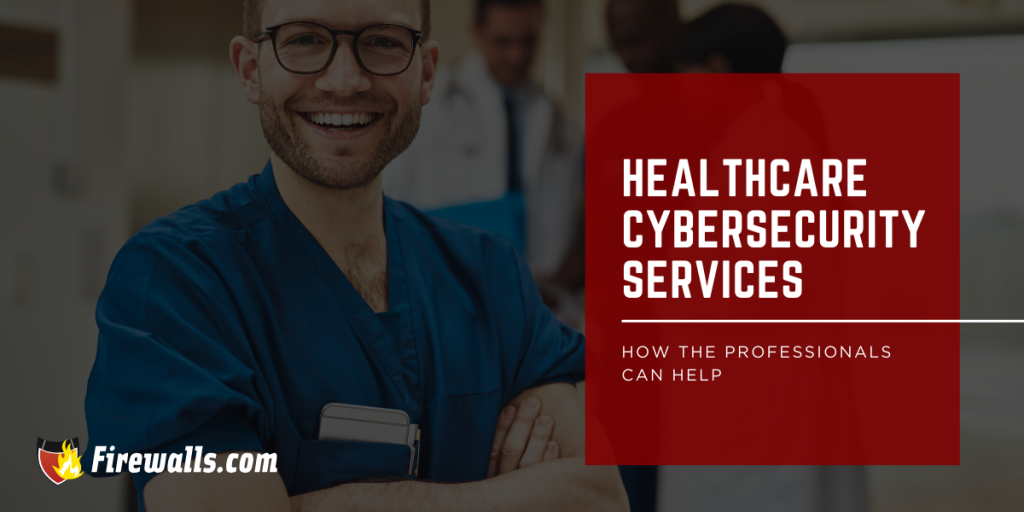
How Professional Healthcare Cybersecurity Services Can Help
Managed services on the IT front can be shaped to focus on the unique security challenges of the healthcare sector. Between continuous monitoring, advanced and proactive threat detection, utilizing professional services does well to prevent cyberattacks.
This isn’t the whole picture either, as businesses benefit from risk assessment, vulnerability scanning, even policy implementation and compliance management. Proper cybersecurity is a must, especially for the healthcare sector.
Managed services for IT not only help fill any security gaps, but can be a much more cost-effective and future-proof solution than handling it all in-house. At the same time, these services are able to support healthcare organizations in navigating some of the most common cybersecurity challenges.
Common Cybersecurity Challenges in Healthcare IT
Whether it’s unprotected endpoints or the many connected medical devices, healthcare businesses have a lot to consider here. Even with just malware or ransomware attacks, these can quickly spread across any unsecured area on a network.
Overall, there are a few common challenges in the relationship between healthcare and cybersecurity:
- Legacy systems and outdated software make for a more vulnerable network
- Insider threats and general human error can easily compromise sensitive data
- A lack of consistency in staff training and access controls
- Data fragmentation and issues with interoperability
- Staying on top of shifting requirements in healthcare and data security regulations
It’s a lot to keep track of, which is why the help of managed network IT services isn’t a bad idea. On the other side of this, it’s crucial to work with security experts who understand the requirements of your industry.
Firewall Management Services for Healthcare Organizations
It’s true that firewalls are an important focal point in healthcare network security, but that isn’t all you have to pay attention to. With managed services for IT, they focus on reducing the risk of a potential breach and minimizing operational downtime.
This requires more than just making sure the firewall hardware is up and running. From continuous monitoring to rule updates, compliance, and proactive measures, these professional services can offer a ton of help.
The healthcare industry is a major target for cyber threats, primarily due to the scale of sensitive data they’re dealing with. Working with managed network IT services can guarantee a secure network on every layer, backed by years of cybersecurity expertise and guidance.
The Final Word
With the ever-growing cyber risks the healthcare sector is facing, thorough network security is a must-have that can’t be overlooked. More than that, a proactive stance is what matters here, as there should be no chance for any security gaps.
Managed services for IT deliver the continuous monitoring, risk assessment, and compliance guidance needed to make that a reality. For any healthcare business, speaking with us at Firewalls.com is a great start in finding the professional cybersecurity services you need. Keep every endpoint and piece of data on lockdown through our decades of security expertise and future-proof strategies.
FAQ
What are Healthcare Cybersecurity Services?
Healthcare cybersecurity services are solutions designed to protect patient data, medical devices, and network systems from digital threats. This also includes support to remain in compliance with regulations such as HIPAA.
Why is Cybersecurity so Important in Healthcare?
Healthcare businesses manage a lot of sensitive patient information. They’ve been a prime target for cyberattacks for years, especially with threats like ransomware and phishing attacks.
What are Common Cybersecurity Challenges in Healthcare IT?
Some of the most common challenges here include unprotected endpoints, outdated firewalls, insider threats, and data fragmentation. Keeping up with changing regulatory requirements can also be a pretty big hurdle.
How do Managed Services for IT Help Healthcare Organizations?
Manage services provide continuous monitoring, risk assessment, vulnerability scanning, policy implementation, and much more. Better yet, these services are catered to the exact needs of your organization’s network security requirements, supported by future-proof solutions.
What Role do Firewall Management Services Play in Healthcare Security?
Firewall management services monitor and configure firewalls, minimize downtime, and prevent unauthorized access. Overall, it’s about ensuring network operations are secure and always operational.