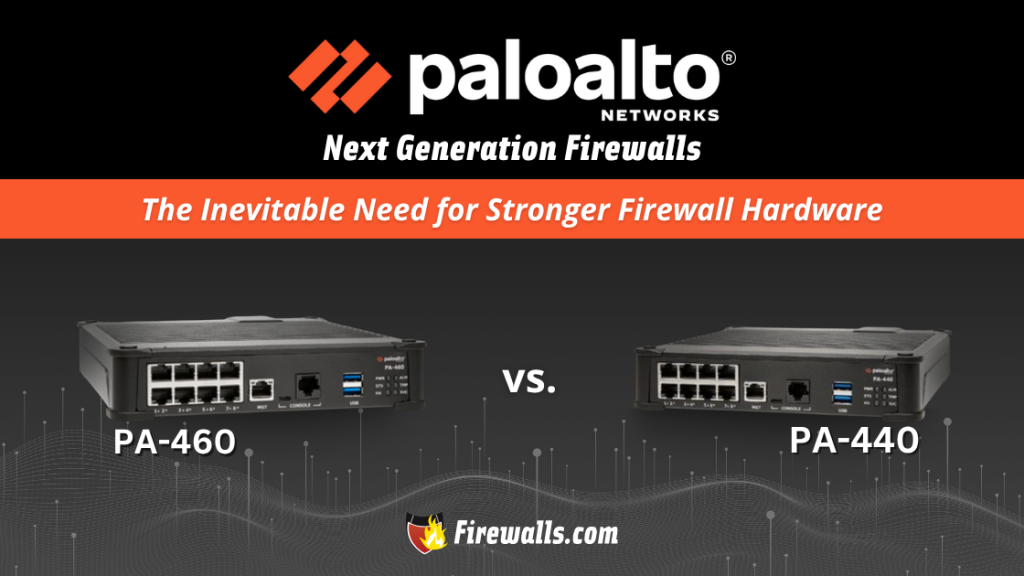
The ongoing demand for stronger firewall tech isn’t going anywhere anytime soon. Between the normal lifecycles of hardware firewall solutions and the shifting landscape of cybersecurity, upgrading business network security is common practice. Comparing the Palo Alto PA-460 vs PA-440 is more than just finding differences in technical specs. It’s a good look at a easy segue for existing Palo Alto users, as well as insight into the target market’s for each model.
Finding the right Palo Alto firewall for your network security takes several angles of the tech into account. Isolating the most crucial differences in both of these firewall models will help to narrow down your decision-making by the end of this article.
A Grasp of Palo Alto Security
As with any other firewall manufacturer, Palo Alto has several models available at any given time. For some businesses, the number of options alone is enough to challenge their decision-making for their network infrastructure.
Surface-level features and Palo Alto firewall price points aside, it’s the technical data and capabilities of each firewall model that carry most of the weight. You want to make sure that the firewall you end up with can meet your current needs and scale with your company. While both of these firewall models are great for small business owners, they’re geared toward different stages of company growth.
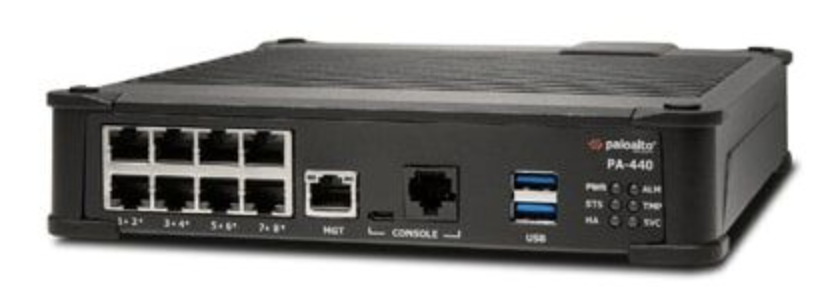
What is the Palo Alto PA-440?
Built with up to 36 to 50 users in mind, the PA-440 is a great choice for small businesses on more than one front. Even if 3 Gbps firewall throughput and 1.6 Gbps for VPN don’t sound like much, it’s helpful to consider all of the other benefits.
Here are a few more specs to paint a bigger picture of the PA-440:
- Firewall Throughput: 3 Gbps
- Threat Prevention Throughput: 1 Gbps
- IPsec VPN Throughput: 1.6 Gbps
- Max Sessions: 200,000
- New Sessions per Second: 39,000
If you felt limited by the estimated range of users, don’t let that figure fool you. The PA-440 is a longstanding favorite for small businesses that are just starting to scale.
What is the Palo Alto PA-460?
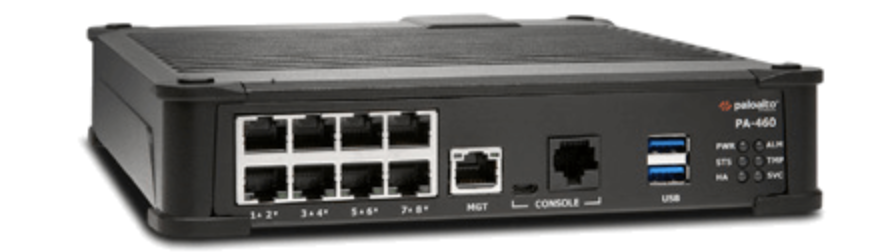
It’s safe to expect an upgrade here from the name of the firewall, but it’s equally important to understand exactly where that is. The Palo Alto PA-460 definitely caters more toward small businesses that have been scaling for a while. At a glance, this can be seen in its capacity for 100 to 200 users.
For a quick comparison, take a look at the following specs below:
- Firewall Throughput: 5.2 Gbps
- Threat Prevention Throughput: 2.6 Gbps
- IPsec VPN Throughput: 3.1 Gbps
- Max Sessions: 400,000
- New Sessions per Second: 74,000
From increasing the user cap by four times to doubling the max number of sessions, there’s a lot to appreciate here. This might be a bit much for much newer organizations. For those on their way to mid-size, the PA-460 is a great segue option that should offer years of support.
Comparing the Palo Alto PA-460 vs PA-440
If you really want to hone in on the right option, it can help to simplify the decision-making. You don’t have to read every data sheet with Palo Alto Networks products to know what’s best in your case. The table below offers the only comparison you’ll need to know which way you’ll want to lean with these two firewalls.
| Specifications | PA-440 | PA-460 |
|---|---|---|
| Firewall Throughput (Gbps) | 3 | 5.2 |
| Threat Prevention Throughput (Gbps) | 1 | 2.6 |
| IPsec VPN Throughput (Gbps) | 1.6 | 3.1 |
| Max Sessions | 200,000 | 400,000 |
| New Sessions per Second | 39,000 | 74,000 |
| Storage Capacity | 128 GB eMMC | 128 GB eMMC |
| Power Supply (Avg/Max) | 28.9W / 34.3W | 32.6W / 41.3W |
| Virtual Systems (Base/Max) | 1 / 2 | 1 / 5 |
Keep in mind, these aren’t the only two Palo Alto hardware firewalls in this range of specifications. However, the PA-460 is a great option for those looking to upgrade from the PA-440.
Final Thoughts
As your organization continues to grow, network security demands will do the same. Tack on the many evolving cybersecurity threats; it’s important to handle your network infrastructure with a little hindsight.
With expected growth down the pipeline, you need firewall hardware that’s built for the next few years, at minimum. If you’d like a little more expertise on the topic, get in touch with our team at Firewalls to find solutions you can align with.