
There’s always plenty of talk surrounding firewalls, security strategies, and cyber threats, but you also can’t forget about the rackmount hardware. It’s about more than just being organized, as it’s equally important for the sake of performance, management, and efficiency.
Sure, rack network equipment may not be difficult to find, but you want to ensure you end up with the right options for your hardware. This write-up focuses on the essential role of rackmounts when it comes to your network security infrastructure.
Key Takeaways:
- Rackmount hardware centralizes and protects network equipment
- Without proper airflow, heat buildup becomes a direct threat to equipment lifespan
- Rack form factors range from compact wall mounts to enclosed cabinets built for server rooms
- Brand-specific rackmount solutions ensure proper fit, ventilation, and cable management
- Choosing the right rack from the start is a long-term infrastructure decision that should support current and future demands
What is Rackmount Hardware?
At its core, rackmount hardware is a part of a standardized structure for equipment such as firewalls, network switches, and servers, for example. Rack mounts definitely help you manage the space you’re working in, but only if you’re dealing with the right server rack hardware.
There comes a time with any growing business when the desktop security deployments aren’t going to handle your IT demands. Aside from that, you may eventually grow into enough hardware that forces you to get organized. Nevertheless, a properly designed rack supports long-term network growth, minimizes potential downtime, and makes management a whole lot easier.
Why Rack Network Equipment Matters Beyond Organization
Rack mount equipment makes for a much more controlled infrastructure environment. If you haven’t already found out, it’s only a matter of time before this becomes a pretty important need.
Aside from organization, here are a few angles to consider about rackmount IT:
- Proper configuration helps support thermal management
- Working with enclosed racks adds physical protection
- Organized physical security is crucial for regulated industries and businesses
- Strategic rack systems support seamless network scalability
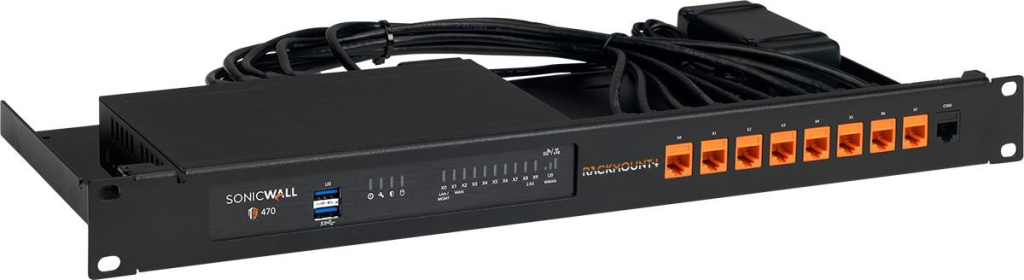
Moreover, I find it important to mention that rack mounts aren’t universal in sizing and shape. There are rackmounts built for specific hardware models, whether it’s for SonicWall or another leading manufacturer. Step one is understanding the benefits and importance of rackmount hardware, and then finding the right options for your setup comes next.
Airflow and Equipment Longevity
Without the proper airflow, your equipment could struggle from heat buildup. Here’s the thing about heat buildup: if left unchecked, you’re setting yourself up for premature equipment failure.
Not only can that be an avoidable cost, but equipment failure can leave your network vulnerable in the meantime. To make sure that firewall doesn’t burn out on you, proper airflow has to be a part of your setup strategy, without fail.
Physical Security and Access Control
Enclosed racks provide a physical security layer that prevents direct access to the actual hardware. This is a simple but important measure to consider, as it helps ensure that only those authorized have access to the hardware at any given time.
Moreover, this particular security consideration might be a must dpeending on the industry or business you’re running. For example, healthcare and financial organizations may be required to add this physical security layer to their infrastructure.
Another angle I’d like to point out here is that this is a great example as to why many businesses work alongside managed services. This offers the no-fluff guidance operations need to know what kind of setup they actually need. From the hardware you choose to how you set up and secure it, professional services are a big plus here.
Maintenance and Scalability
Organized network rack mounts offer more than just hardware maintenance. It becomes a vital component to manage your entire network infrastructure.
Think of it from these angles: proper setup helps with streamlining troubleshooting, cable management, hardware replacement, and much more. Planning for scalability should always be a part of your decision-making when it comes to network security hardware.

Types of Rackmount Hardware
Every business owner and IT team should understand that rackmount hardware requirements will vary by environment. This depends on factors like equipment volume, available space, physical security demands, and even hardware weight.
Figuring out what kind of setup works for you also involves considering the different common options you’ll find on the market. This can include options like open-frame racks, enclosed cabinets, and wall-mounted racks, to name a few. Check out the table below for an easy understanding of the different types of popular rack mount equipment.
| Rack Type | Best For | Typical U Sizing |
|---|---|---|
| 2-Post Open Frame | Small offices and patch panels | 12U-45U |
| 4-Post Open Frame | Mid-size mixed hardware environments | 24U-48U |
| Enclosed Cabinet | Server rooms and compliance-driven environments | 12U-48U |
| Wall Mount | Branch offices and smaller operations | 6U-18U |
For a little added context, one rack unit (1U) equals 1.75 inches of vertical mounting space. You’ll need to keep this in mind when navigating any rackmount IT solution.
Choosing the Right Rack Mount Equipment
If you’re going to end up with the right rackmount hardware, then you’ll want to start with specific hardware requirements. This means knowing each device’s dimensions, depth, and weight. From there, take that information and size it up against the most viable rack mount options.
Keep these details in mind when searching for the right rack network equipment:
- Always verify the rack depth compatibility
- Check your total load capacity
- Consider any future equipment additions
- Note that brand-specific rackmount IT kits improve compatibility
- Proper ventilation is always a must
Overall, it’s a mix of considering accessibility as well as the actual physical fit. As I always like to say, working with the experts on this can always eliminate a ton of confusion and trial and error.
Final Thoughts
Rackmount hardware is a vital supporting pillar to your network security infrastructure. Understanding the importance of this is a big part of simplifying your network management as a whole.
Always prioritize equipment compatibility, as this can make setup, scaling, and ongoing management much easier. Don’t make this harder than it needs to be; come have a quick chat with us at Firewalls.com and we’ll get you set up with exactly what your IT infrastructure needs.
Frequently Asked Questions
What is Rackmount Hardware Used For?
Rackmount hardware organizes and secures firewalls, switches, servers, and other vital network equipment in a standard rack.
How Does Rackmount Hardware Improve Airflow?
Proper mounting promotes consistent airflow, helping prevent heat buildup and equipment overheating.
What is the Difference Between a 2-Post and 4-Post Rack?
A 2-post rack suits lighter equipment, while a 4-post rack is built to support heavier hardware setups.
How do I Know What Size Rack I Need?
Check your equipment’s dimensions, depth, weight, and any included U-sizing requirements, while leaving yourself room to expand.
Are Rackmount Kits Compatible With All Network Hardware?
Definitely not, which is why you’ll find kits designed for specific hardware models or manufacturers. Compatibility should always be verified before purchase.