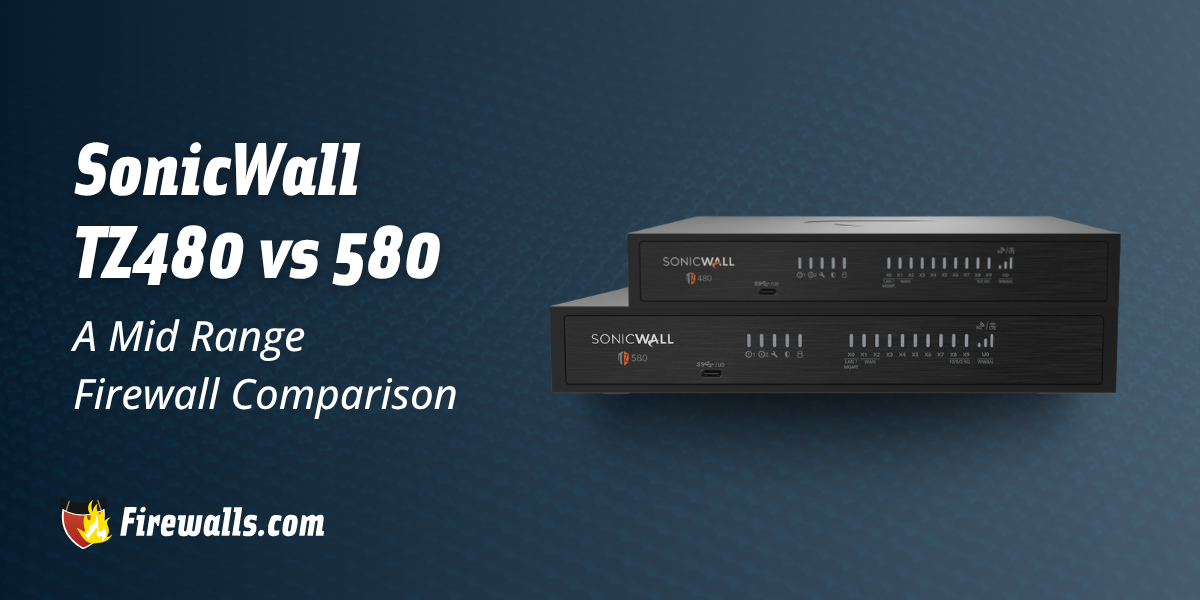
If you know anything about SonicWall, then you know there’s plenty of reliability with their security solutions. Reeling in the focus a bit here, comparing SonicWall TZ 480 vs 580 comes with niche differences you might miss in the smaller print.
Both are Gen 8 next-gen firewalls, but they meet varying network demands, which are seen in their overall capabilities. This article provides a firewall comparison between the two firewalls, so you know exactly what kind of security needs they cater to.
Key Takeaways:
- SonicWall TZ480 and TZ580 are Gen 8 firewalls built for varying network demands
- The TZ480 is ideal for smaller businesses and growing network environments
- The TZ580 is better for mid-sized organizations focused on stronger security needs and scalability
- Both models come with many advanced security features native to Gen 8 hardware from SonicWall
- Performance specs like throughput and connection capacity will help you make the right choice for your business network
No Shortage of Options in SonicWall Gen 8 Firewalls
Meeting the real-world needs of modern network security, the Gen 8 lineup of SonicWall devices gets more and more impressive the closer you look. Companies can easily choose from a decent range of hardware.
The best part about this is that no matter where you land, they’ve made it easy to scale as you grow. Not only can you stick with SonicWall along the way, but you won’t have to repeat the same hurdles over and over trying to find a new provider. Nevertheless, the TZ480 and 580 are impressive for the likes of small-to mid range firewall solutions.

What is the SonicWall TZ480 Firewall?
Whether you’re scaling up or getting started with your first hardware firewall, the TZ480 is a stellar option. Not just because of its target use case, but due to the fact that it delivers what you need to scale and stay protected.
Below is a brief overview of some of the model’s leading specs:
- Firewall Throughput: 4 Gbps
- Threat Prevention Throughput: 2 Gbps
- IPS Throughput: 2.2 Gbps
- IPSec VPN Throughput: 2 Gbps
- Max Connections (SPI): 1,200,000
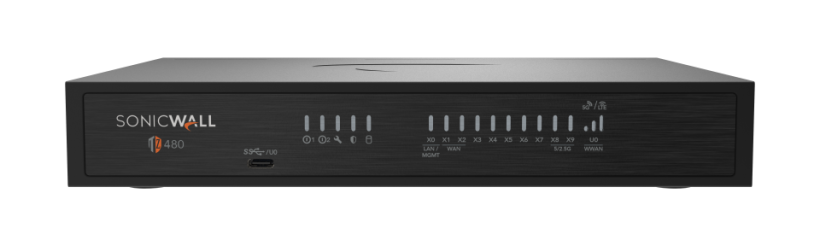
Of course, this merely gives you an idea, but the true capability of this firewall is extensive to say the least. These specs also support anti-virus, secure VPN access, and SonicOS, which simplifies overall management significantly.
What is the SonicWall TZ580 Firewall?
If you’re leaning more toward the SonicWall TZ580, the first note I like to make is that it’s specifically focused on mid-sized organizations. This also includes operations dealing with distributed networks.
Check out the brief specs list below for a bit more context:
- Firewall Throughput: 4.5 Gbps
- Threat Prevention Throughput: 2.2 Gbps
- IPS Throughput: 2.5 Gbps
- IPSec VPN Throughput: 2.2 Gbps
- Max Connections (SPI): 1,400,000
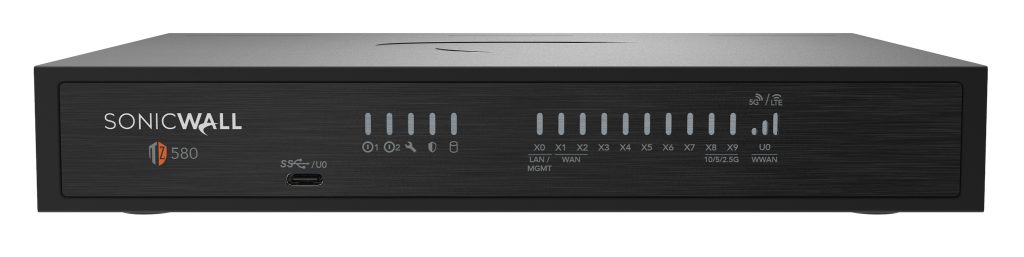
Although this is a firewall comparison, it helps to remember that aside from unique specs, these firewalls share a lot of the same security features. However, while that makes your decision-making a bit easier, the fine print is where the real differences are. It’s those finite numbers and capabilities in the datasheet that will really shine through when it comes to real-world performance.
SonicWall TZ 480 vs 580 Next Generation Firewall Comparison
While these firewalls come from the same manufacturer and hardware generation, going through a solid comparison is still crucial. It’s a must for any organization, big or small, trying to create a reliable network security stack. Give the comparison table below a look and use it to support your decision process moving forward.
| Specifications | SonicWall TZ480 | SonicWall TZ580 |
|---|---|---|
| Firewall Throughput | 4 Gbps | 4.5 Gbps |
| Threat Prevention Throughput | 2 Gbps | 2.2 Gbps |
| IPS Throughput | 2.2 Gbps | 2.5 Gbps |
| TLS/SSL Inspection and Decryption Throughput | 650 Mbps | 750 Mbps |
| New Connections per Second | 18,000 | 20,000 |
| Max Connections (SPI) | 1,200,000 | 1,400,000 |
| Site-to-Site VPN Tunnels | 200 | 250 |
| Interfaces | 8 x 1GbE 2 x 5G/2.5G/1G SFP+ 1 x console (MicroUSB) 1 x USB (Type-C) | 8 x 1GbE Cu 2 x 5G/2.5G/1G SFP+ 1 x console (Micro-USB) 1 x USB (Type-C) |
Even if they seem to cut it close across several categories, the smallest differences can lead to some of the biggest changes to your security strategy. At the same time, you should also remember that both models support a range of security features. This includes things like DPI-SSL inspection, Capture Advanced Threat Protection (ATP), and the list continues.

Let’s Wrap This Up
Regardless of the differences between SonicWall TZ 480 vs 580, it’s a good idea to look at the big picture. It’s true that making the right choice between the two matters, but hindsight will also show you that you’ll have years of support ahead. The TZ480 is great for smaller organizations that plan to grow.
For the TZ580, this model is better suited for those who are facing higher network demands and larger environments. No matter how technical it all might sound, our team at Firewalls.com has your back in more ways than one. Let’s have a chat about your network setup and fill the gaps with solutions that can secure your long-term vision for your operation.
Frequently Asked Questions
What is the Core Difference Found Between SonicWall TZ 480 vs 580?
The main difference comes down to performance and scalability. The TZ580 promises higher throughput, more connections, and great overall capacity. With the TZ480, you’re getting more than enough network support for the needs of small but growing operations.
Is the SonicWall TZ480 a Good Firewall for Small Businesses?
Most definitely, as SonicWall built the TZ480 specifically for smaller organizations that still need robust network support. Not only that, but it also offers proactive and reactive solutions that help young businesses stay alive in a grueling cybersecurity landscape.
Which SonicWall Firewall is Better for a Mid-Sized Company?
In this firewall comparison, the TZ580 would be the better option if you’re dealing with a mid-sized operation. It can do well to meet your current and future network demands, while ushering you toward the next model in the Gen 8 lineup.
Do the SonicWall TZ480 and TZ580 Have the Same Security Features?
Both models share many Gen 8 security capabilities, including DPI-SSL inspection, Capture ATP, intrusion prevention, and much more.
How Do I Choose Between the TZ480 and TZ580 Firewalls?
You should always make your choice based on real-world information about your network. This includes auditing angles like your network size, user count, traffic, and how you expect to expand your business and network in the near future.