
Although the TZ670 firewall is more than capable in this day and age, that isn’t the important consideration when looking at how the TZ680 differs. They might have similar names behind them, but each of these SonicWall firewalls is built for specific network demands. Comparing SonicWall TZ670 vs TZ680 requires narrowing down on the capabilities and limitations.
In the realm of firewall and network protection, you have to think about multiple layers of security features to keep your business secure. With each company having its own unique demands for network security, it’s best to look at the data on each firewall model from a bird’s-eye view. This article highlights key specifications with SonicWall TZ670 vs TZ680 to show you what’s new in Gen 8, and which models align with your operational needs.
Discovering Gen 8 SonicWall Hardware
Aside from the fact that SonicWall is one of the leading next generation firewall vendors, new hardware models aren’t a new concept for them. They hit the market on a fairly consistent schedule, but it’s due to more than just a range of new capabilities. In a lot of cases, the advancements are necessary to combat modern cybersecurity threats, which are evolving at a rapid pace.
This is a reality stemming from many factors. With an increase in potential threats and technology making them easier than ever to execute, it’s best to stay one step ahead. For your business’s network security, it’s important to cover the current requirements while being prepared for what’s to come. No matter if you’re already working with the TZ670 or looking for a new vendor, the TZ680 benefits a vast range of network security needs for small businesses.
What is the SonicWall TZ670?
Even though the TZ670 is now seen as an older model, that doesn’t mean it isn’t more than capable for many aspects of today’s security standards. You get support for up to 100 devices, and there’s no end-of-life (EOL) date you’ll have to worry about at this time.
When it comes to the specs, here’s how the firewall stacks up:
- Firewall Throughput: 5 Gbps
- Threat Prevention Throughput: 2.5 Gbps
- IPS Throughput: 3 Gbps
- IPsec VPN Throughput: 2.1 Gbps
- Max Connections (SPI): 1,500,000
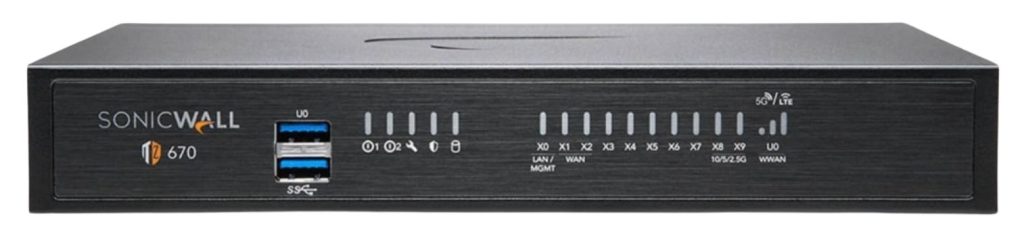
It should also be noted that you’re dealing with SonicOS 7 here, as opposed to the new SonicOS 8 found with the TZ680. An upgrade might seem like the obvious choice, but it still requires knowing what you’re getting into. From the specs to the features, capabilities, and cost of SonicWall firewalls, it isn’t just about newer being better.
What is the SonicWall TZ680?
You’re right to think that the TZ680 brings some improvements to the table in comparison to older models. However, whether or not you should jump ship comes down to understanding how the specs compare. This is an enterprise-grade solution for mid-sized companies, and the Gen 8 tech is some of the best that SonicWall has to offer for today’s cybersecurity landscape.
Check out the specs below for a quick comparison to the TZ670:
- Firewall Throughput: 5 Gbps
- Threat Prevention Throughput: 2.5 Gbps
- IPS Throughput: 3 Gbps
- IPsec VPN Throughput: 2.5 Gbps
- Max Connections (SPI): 1,600,000
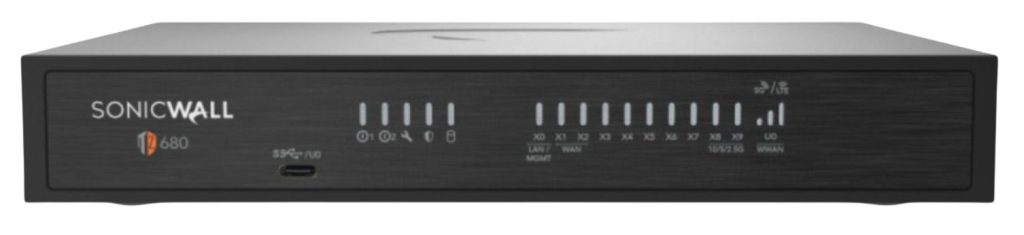
No matter where you’re at with your network security, it’s crucial to think about where your business is headed. That means focusing on scalable solutions that can grow with you, even if that means making a switch before an EOL date rolls around. For growing small businesses and mid-size organizations, the TZ680 is more than enough to usher them into the future with proactive peace of mind.
Taking Stock of Crucial SonicWall TZ670 vs TZ680 Specs
To help guide you through your thought process, it doesn’t hurt to put the numbers side by side. Instead of shifting between one datasheet to the next, you can get most of what you’ll want to compare in the streamlined table below.
| Specifications | SonicWall TZ670 | SonicWall TZ680 |
|---|---|---|
| Firewall Throughput (Gbps) | 5 | 5 |
| Threat Prevention Throughput (Gbps) | 2.5 | 2.5 |
| Application Inspection Throughput (Gbps) | 3 | 3 |
| IPS Throughput (Gbps) | 3 | 3 |
| IPsec VPN Throughput (Gbps) | 2.1 | 2.5 |
| Connections per Second | 25,000 | 26,000 |
| Max Connections (SPI) | 1,500,000 | 1,600,000 |
| Max Connections (DPI) | 500,000 | 600,000 |
| Interfaces | 8 x 1 GbE 2 x 10 GbE 2 USB 3.0 1 Console | 8 x 1 GbE 2 x 10 GbE 2 USB 3.0 1 Console |
You might think the similarities don’t make much of a difference, but you can’t lose sight of the big picture. If you’re expecting a need for a higher user capacity, higher throughput across certain specs, or general business expansion, it isn’t a bad idea. The TZ670 has plenty of time left on the market, but it never hurts to think ahead.
Final Thoughts
While new firewall models can make you wonder about your current setup, this isn’t something you should make a rushed decision on. It should be data-backed with a strong focus on where your organization is headed down the road. This is how you accurately align your network security architecture in a way that’s scalable and streamlined.
Of course, with all of the technicalities involved, the decision-making process can feel a bit convoluted. To help with that, our team members are always here to chat and offer the guidance you might need on choosing the right SonicWall TZ model.