
They might seem relatively close due to their model numbers, but this Palo Alto firewalls model comparison between PA-450 vs PA-455 identifies a unique use case for each. Sure, some of their specs may be similar, but the 450 is better for smaller organizations, while the 455 is built for mid-size to enterprise-level networks.
Of course, it gets a lot more detailed than that with next-gen firewalls (NGFW), as you have to consider more than throughput or device limits when it comes to making a decision. It’s important to remember that just because they’re closely related in the 400 series lineup, it doesn’t mean they won’t differ quite a bit.
Palo Alto firewalls can vary quite a bit, from the 400 series all the way up to their 7500 models. This article focuses on the niche differences found between the PA-450 and PA-455, so you know how to guide your business’s network security moving forward.
The Range in Palo Alto Network Security
Even if it takes years for your business to grow, Palo Alto network security firewalls have got your back every step of the way. From small operations all the way up to massive enterprise operations, they’ve made it easy to make the transition to different firewall models.
At the same time, there are quite a few models to choose from, which can make it challenging for some companies to know where they land. This is especially true with the models that fall closely in line with each other’s specs. The PA-450 and PA-455 are a good example of this conundrum, which is why making a direct comparison can be so helpful.
What is the Palo Alto PA-450 Firewall?
Optimized with small businesses in mind, the PA-450 can offer years of coverage with more than enough range in its specs to handle modern cybersecurity threats. You get a capacity of 51 to 100 users, not to mention several options with Palo Alto security licenses to help customize your approach.
Here are a few important specifications you’ll want to focus on:
- Firewall Throughput: 3.1 Gbps
- Threat Prevention Throughput: 1.6 Gbps
- IPsec VPN Throughput: 2.2 Gbps
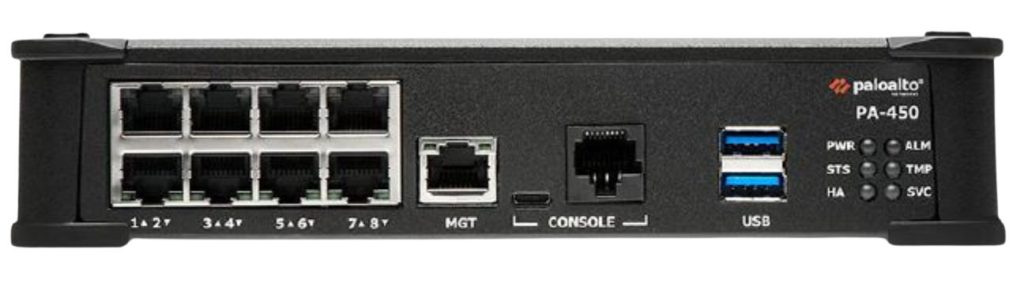
Once again, throughput isn’t the only specs that matter, but it’s a good starting point when you’re working through comparison. It’s a safe bet to assume the PA-455 comes close in a lot of ways, but it also surpasses the PA-450 even if it’s on a minor scale.
What is the Palo Alto PA-455 Firewall?
Taking things a step further for mid-sized to enterprise-level network security demands, the PA-455 is a bit stronger from several angles. It may not seem like much, but a small increase in specs can go a long way when it comes to securing your internal network:
Take a look at how the PA-455 compares on the surface:
- Firewall Throughput: 3.3 Gbps
- Threat Prevention Throughput: 2 Gbps
- IPsec VPN Throughput: 1.8 Gbps

It doesn’t come out on top in every regard, but this isn’t all that the next-generation firewall model brings to the table. The easiest way to compare the firewalls Palo Alto Networks has been known for over the years is to put the numbers together side by side.
Palo Alto NGFW Comparison PA-450 vs PA-455
Part of what’s great about Palo Alto’s firewalls is that they make the technical information pretty easy to digest. Remember, bigger isn’t always better, as it’s more important to focus on the specs that align most with your network security needs.
| Specifications | PA-450 | PA-455 |
|---|---|---|
| Firewall Throughput (Gbps) | 3.1 | 3.3 |
| Threat Prevention Throughput (Gbps) | 1.6 | 2 |
| IPsec VPN Throughput (Gbps) | 2.2 | 1.8 |
| Max Concurrent Sessions | 300,000 | 300,000 |
| New Sessions per Second | 48,000 | 56,000 |
| Virtual Systems (base/max) | 1/5 | 1/5 |
| Power Supply | 33/41 W | 50/60 W |
| PoE Support | No | 4 x 1G RJ45 ports |
While aspects like interface elements, max concurrent sessions, and virtual systems are on par with each other, it’s evident that they differ in several areas. Even if you did end up going with the PA-450, it makes for a perfect segue into the PA-455 when you’re ready.
Final Thoughts
Overall, the PA-455 is the stronger option here, but that doesn’t mean the 450 doesn’t have its place in modern network security. Both of these firewalls are a part of the 400 series from Palo Alto firewalls, and they won’t be going anywhere any time soon.
Your network security needs to have a focus on current demand as well as where it’s headed in the future. Thankfully, this Palo Alto firewalls model comparison has the range many businesses need to handle that. Consider having a chat with our Firewalls team to help narrow down your focus on which of these Palo Alto models is best for your current network security demands.