Considering cybersecurity risks for patient data continue to expand, it’s crucial to learn how to prevent data breaches in healthcare. Not only can breaches lead to exposure of patient information, but they can also lead to bigger problems like identity theft and financial loss.
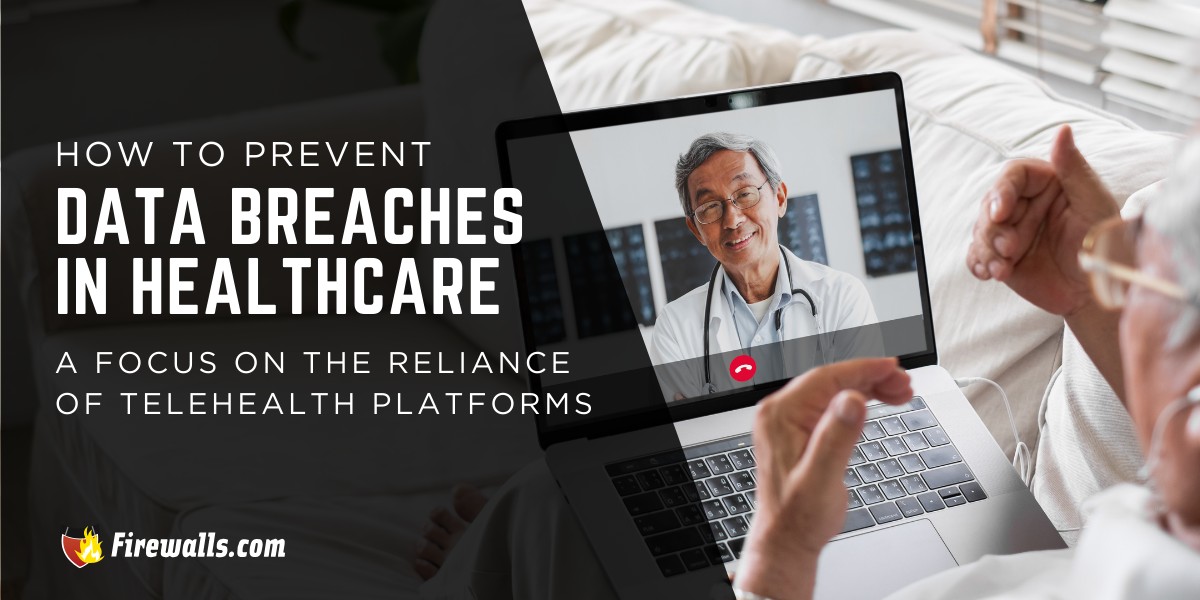
Healthcare has been a prime target for cyber threats for years, heavily due to the amount of valuable data that’s handled here. On top of that, telehealth services come with an expanded attack surface to add fuel to the fire. In this article, you’re getting a look at strong cybersecurity practices necessary to keep patient data safe alongside telehealth services.
Vulnerability Within Telehealth Platforms
Telehealth platforms are a big part of the discussion between healthcare and cybersecurity. Its rapid adoption in recent years is a stellar convenience and a staple to many aspects of modern healthcare delivery.
However, there are a few key points to consider here:
- Many telehealth apps lack strong encryption
- Cloud storage and remote access tools can come with a range of vulnerabilities
- Every digital connection increases exposure to potential cyber threats
It requires more than strong passwords to keep everything secure here. Utilizing layered healthcare security solutions is the way to go, and there are plenty of solutions available.
Healthcare Security Solutions to Protect Telehealth Data
Some of the most common advanced security options in this context include tools like firewalls, encryption, and secure EHR integration. While protecting patient data is a key point in this conversation, these tools are also highly beneficial for the sake of your organization.
However, continuous monitoring of your network is necessary nonetheless. For a supporting note on this, a 2023 report on data breaches in healthcare systems in the U.S., the primary location of breached healthcare data was on the network server.1
It helps to be more proactive with suspicious activity, keeping a watchful eye on your attack surfaces. An incident response plan is needed on top of that, one that contains and mitigates security breaches before they become a widespread problem.
It isn’t hard to find proper healthcare cybersecurity services, but without organizational and network awareness, you could still be in a vulnerable position. Between having the right hardware, policy enforcement, and the help of managed services, data security healthcare needs aren’t an impossible feat. Leveraging a layered security posture is how you stay one step ahead of the threats.
How Telehealth Data Breaches Affect Patients and Providers
Aside from the potential risks to patient data across telehealth platforms, it can lead to some pretty catastrophic results for healthcare providers. From HIPAA penalties to the slow erosion of patient trust, security for telehealth platforms can’t be overlooked.
Merely reviewing healthcare cybersecurity news can shed light on this too, as the data doesn’t lie. From an overall perspective, healthcare organizations in the U.S. encountered 491 large-scale data breaches between January and September in 2024.2
Whether this leads to exposed video consultations or issues like misconfigured cloud storage, it’s safe to assume cybercriminals understand the vulnerabilities of telehealth. For healthcare businesses, patient safety should be number one, but that doesn’t mean keeping an eye on provider resources isn’t a close second.
Understanding the severity of regulatory fines, remediation costs, and necessary security upgrades is just as important. Keeping patient data safe means much more than strong passwords and multi-factor authentication. The aim is to have security measures and proactive incident response across every layer of your services and network.
The Final Word
Telehealth adoption is only going to increase, especially due to its overall efficiencies on both sides of the healthcare industry. Learning how to prevent data breaches in healthcare doesn’t come with a single solution, but the options aren’t hard to find.
Understanding the vulnerabilities involved with telehealth is the first step to keeping patient data and your organization protected. Learn more about security concerns in telehealth and the tools you need by speaking with our team members at Firewalls.com.
Frequently Asked Questions
Why are Telehealth Platforms a Target for Cyberattacks?
Telehealth platforms handle sensitive patient data and also rely on digital connections such as apps and cloud storage. This can create new vulnerabilities and attack surfaces, making them an attractive target for cybercriminals.
What are the Most Common Security Weaknesses in Telehealth?
Common security weaknesses in telehealth include angles like unencrypted apps, misconfigured cloud storage, and the use of remote access tools. Overall, any aspect of the service that lacks proper protection will come with increased risk for unauthorized access.
How Can Healthcare Organizations Protect Telehealth Data?
Organizations can implement layered healthcare security solutions such as firewalls, encryption, secure EHR integration, proactive incident response, and continuous network monitoring.
What are the Consequences of a Telehealth Data Breach for Patients and Providers?
Patients risk identity theft, financial loss, and privacy violations. On the provider side, consequences can range from HIPAA penalties, regulatory fines, issues with patient trust, and remediation costs.
Are There Specialized Services to Help Secure Telehealth Platforms?
Yes, healthcare cybersecurity services vary greatly, with options like next-gen firewall solutions to compliance support and full-fledged managed security.