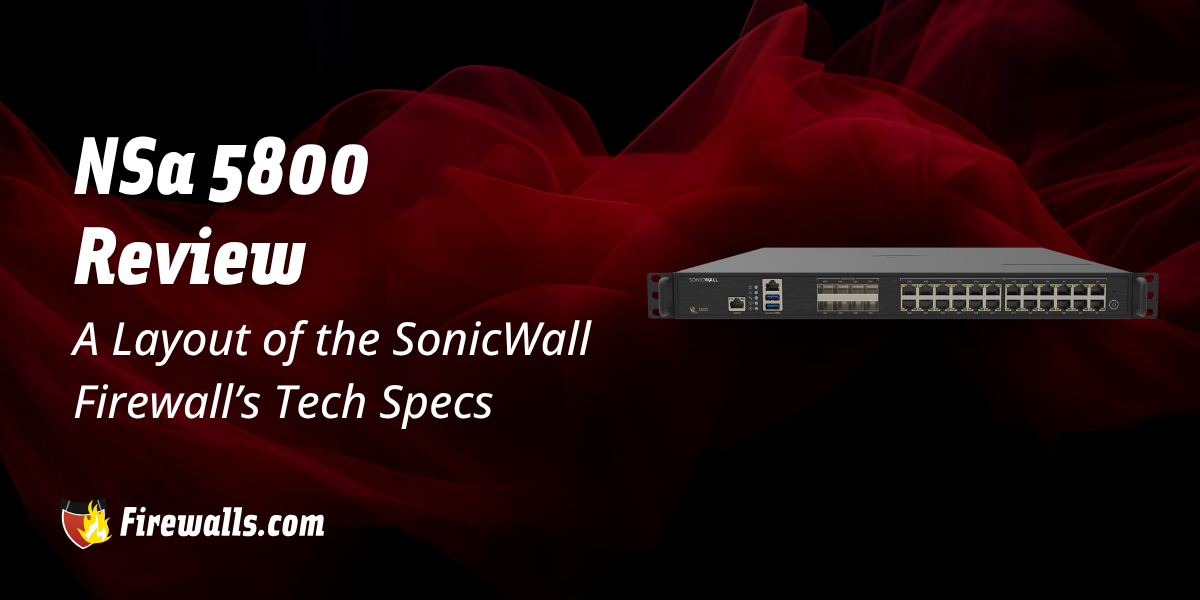

An SSL VPN appliance is primarily based on an outdated security model. More specifically, a security model that’s designed for the likes of perimeter-based networks. Nowadays, these systems are increasingly seen as security liabilities in hybrid and cloud environments.
The reality is that traditional protections like MFA aren’t enough to keep your network and endpoints protected. Many leaders in this industry are shifting away from network-level access and looking more into app-level security models. This article focuses on how Zero Trust Network Access (ZTNA) replaces implicit trust with continuous verification of identity, device health, and context.
Key Takeaways:
- SSL VPN appliances are becoming security liabilities due to their outdated architecture
- Modern attacks exploit VPN gateways directly, making them high-value targets on the network edge
- Zero Trust Network Access (ZTNA) replaces implicit trust with continuous verification
- Major firewall vendors are actively deprecating or redesigning SSL VPN in favor of Zero Trust models
- The industry is shifting from network-level access to secure, app-specific access controls
Why SSL VPNs are Becoming a Security Debt
SSL VPNs were originally built to extend secure remote access. However, in today’s world, they end up functioning as exposed internet-facing entry points.
Over time, SSL VPNs have shifted from secure gateways to high-value targets for cyber attacks. It’s important to keep in mind that their placement on the network edge makes them highly visible, which means continuous exploitation.
The main issue here is architectural, as SSL VPNs expose privileged services directly to the internet. For businesses, this accumulated risk ends up being a security debt that is now reaching a breaking point for many networks. Thankfully, leading enterprise Zero Trust microsegmentation providers have brought multiple solutions to the market.
How Leading Vendors in Zero Trust Real-Time Monitoring are Replacing SSL VPN
Many firewall vendors are moving away from SSL VPN and are starting to prioritize Zero Trust principles. In addition to that, remote access is moving from network-level connectivity to identity and context-based access control.
Although the likes of SonicWall SSL VPN licenses and solutions from other leading security providers are still around, many are replacing VPN features. This can be seen through product redesigns, deprecation, and cloud-first platforms.
Considering the big picture here, SSL VPN is being steadily phased out in favor of continuous verification and Zero Trust architectures. You can see what this looks like between popular security providers in the table below.
| Vendor | Transition Approach | Key Tech | Access Model | Key Strength |
|---|---|---|---|---|
| Fortinet | Universal ZTNA model built on existing firewall infrastructure | FortiGate, FortiClient, IPsec fallback | Moves from SSL VPN to ZTNA with optional IPsec fallback for legacy support | Cost-effective transition for organizations already using Fortinet ecosystems |
| Cisco Meraki | Cloud-first consolidation of remote access services | Cisco Secure Access, browser-based clientless ZTNA | Dynamic access decisions between full tunnel and app-level access | Frictionless, identity-driven access for hybrid and BYOD networks |
| SonicWall | Security-driven replacement accelerated by major attacks and platform evolution | Cloud Secure Edge, trust scoring, endpoint posture validation | Shifts from traditional SSL VPN to granular app-based access | Response to real-world exploitation and forced modernization of legacy VPN systems |
| Sophos | Phased deprecation of SSL VPN in favor of Zero Trust gateways | Sophos Connect, ZTNA gateways, Synchornized Security Heartbeat | Moves from network-wide VPN tunnels to real-time, session-aware access control | Instant threat response via endpoint compromise detection and session termination |
| WatchGuard | VPN limitations exposed through vulnerability-driven repositioning | FireCloud Total Access, AuthPoint MFA, EPDR, ZTNA stack | Replaces broad VPN tunnels with session-based, app-specific access | Focus on reducing overly permissive network access (WatchGuard SSL VPN) |
Regardless of which provider you’re looking into, SSL VPN is being treated as a legacy tech, rather than a core security feature. Instead of searching for the best VPN for remote employees, it’s time to start understanding the long-term benefits of ZTNA. However, you don’t have to handle this transition all by yourself, as managed services can make sure you’re on the leading edge of this shift.
Final Thoughts
The core of an SSL VPN appliance was designed for legacy perimeter-based network environments. However, these are no longer an accurate reflection of modern infrastructure. Today’s hybrid, cloud-driven environments make traditional network access models risky and outdated.
To keep your business on the safe side of this, it’s advantageous to work with security vendors that are delivering accessible ZTNA solutions. You can learn more about the aging nature of SSL VPNs in our YouTube video on the topic down below. If you’d like to get in touch with our team at Firewalls.com, we’re here with the answers and security solutions your business could benefit from.
FAQ
Why are SSL VPN Appliances Considered Outdated?
Because they were built for perimeter-based networks, which don’t match today’s cloud and hybrid business environments.
What is the Main Security Risk of SSL VPNs Today?
They expose privileged network services directly to the internet, making them frequent targets for attackers.
Why Isn’t MFA Enough to Secure SSL VPNs?
If the VPN gateway itself is compromised, attackers can bypass MFA entirely before authentication even matters.
How Does ZTNA Improve Remote Access Security?
ZTNA uses continuous verification of identity, device health, and context to grant access only to specific applications.
Are Vendors Still Supporting SSL VPNs?
Some still support it, but most major vendors are actively deprecating or replacing SSL VPN features with Zero Trust-based solutions.