
In the realm of traditional perimeter security, you might think that’s all you need, but you’d be misguided to take that stance. Due to the likes of cloud adoption, remote work, and hybrid business environments, traditional strategies shouldn’t be on your list. With growing interest in microsegmentation, there’s been an equally strong focus on Zero Trust Network Access (ZTNA).
Considering more than 30% of organizations had already implemented a Zero Trust strategy in 2024, it has been a vital focal point for a while now.1 Throughout this article, I break into how ZTNA is an important angle of microsegmentation, alongside some of the solutions that can help you get there.
Key Takeaways:
- Microsegmentation limits lateral movement by isolating users, devices, and apps
- ZTNA strengthens Zero Trust security with identity-based, least-privilege access controls
- Sophos, SonicWall, and Fortinet provide reliable solutions for modern firewall and segmentation strategies
- Asset mapping and policy monitoring are critical steps for successful implementation
- ZTNA helps companies protect cloud, remote, and hybrid environments from network attacks
Why Microsegmentation is Essential for a Modern Business Network Strategy
If you aren’t already up to speed on the terminology, microsegmentation divides a network into smaller, more isolated segments. This also comes with customized access policies to match.
Here are several core details to think about when it comes to implementing microsegmentation:
- It controls communication between users, devices, and apps, to name a few
- Microsegmentation helps limit access based on factors like identity, device trust, and unique business requirements
- You get a reduced risk of lateral movement across your network
- Restricting network access on multiple levels helps minimize potential damage caused by cyberattacks
- Strong microsegmentation strategies help your organization improve network security and protect against evolving threats
If you want to scale without hitting constant bottlenecks and security risks from network attacks, then you’ll want to invest in ZTNA strategies. In 2025 alone, manufacturing accounted for 27.7% of global cyberattacks, and this is just one of many industries being impacted.2 While ZTNA offers the framework, how you put segmentation to use has a direct bearing on your long-term results here.

What’s the Best Zero Trust Solution for Blocking Lateral Threats
At its core, the best ZTNA solutions block lateral threats by enforcing identity-based access and least-privilege security policies. In addition to that, the security framework verifies every access request, instead of automatically trusting users within the network.
Using microsegmentation through ZTNA works to limit access between apps, users, and devices. Not only does this help with minimizing threats and lateral movement, but it also helps secure your network from employee error as well.
Key Features of the Best ZTNA Solutions
You’ll always have multiple options when it comes to implementing the ZTNA framework or microsegmentation. However, that doesn’t mean you should have an idea of what works best before you dive into it all.
A few examples of what this looks like include the following details:
- Identity verification to guarantee that only authorized users can access apps and network resources
- Continuous authentication evaluates access requests throughout user sessions to maintain security
- Device posture checks confirm that devices meet required security standards before granting access
- App-level access controls limit users to only the resources they need
- Threat monitoring detects suspicious activity and helps reduce the impact of compromised accounts
Under the scope of network security best practices, ZTNA and microsegmentation definitely fall under that category. How you go about implementing it definitely matters, which is why it’s always a good idea to start with some of the most reliable solutions.
Best Microsegmentation Support for Business Networks
I always make a note about effective microsegmentation requiring more than just dividing networks. It also includes policies, visibility, and threat protection.
Between Sophos, SonicWall and Fortinet solutions, you’re more than covered, regardless of which direction you go with. Nevertheless, it’s vital to understand the nuances between these options that support ZTNA policies and microsegmentation practices.
1. Sophos Central and Their XGS Firewalls
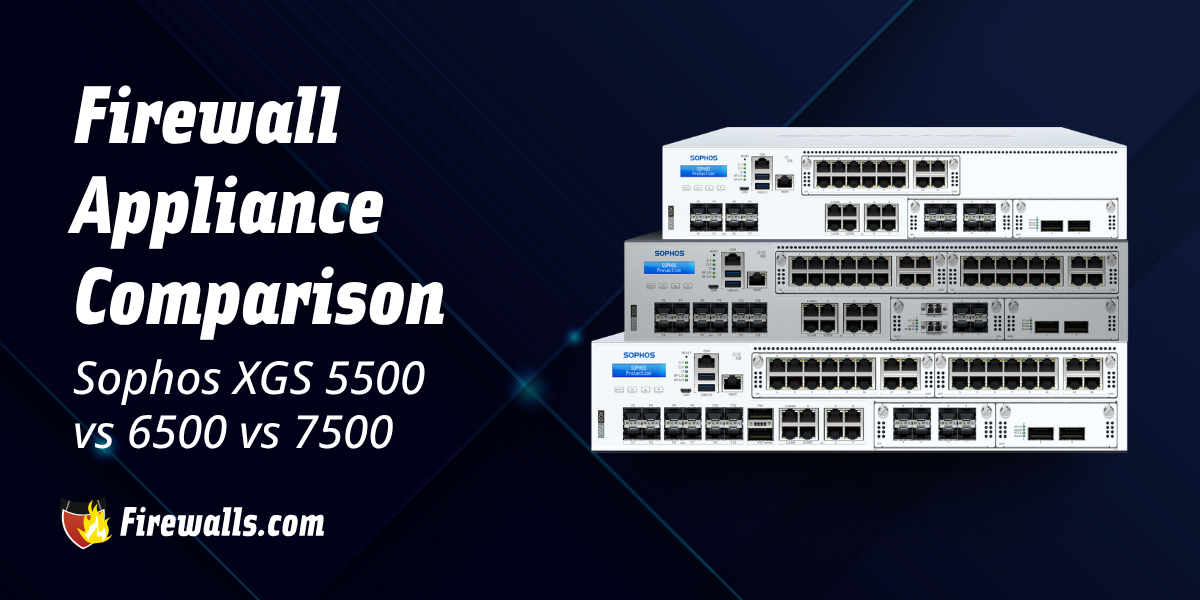
Supporting microsegmentation through granular firewall policies, app visibility, and identity-based access, Sophos XGS gets the job done. Couple the hardware with Sophos Central, and you’re getting improved centralized management for your firewalls, ZTNA framework, endpoints and many other security solutions. IT teams can use Sophos Central for visibility, reporting, and policy management, which in turn maintains a consistent Zero Trust strategy.
2. SonicWall NSa Series Firewalls
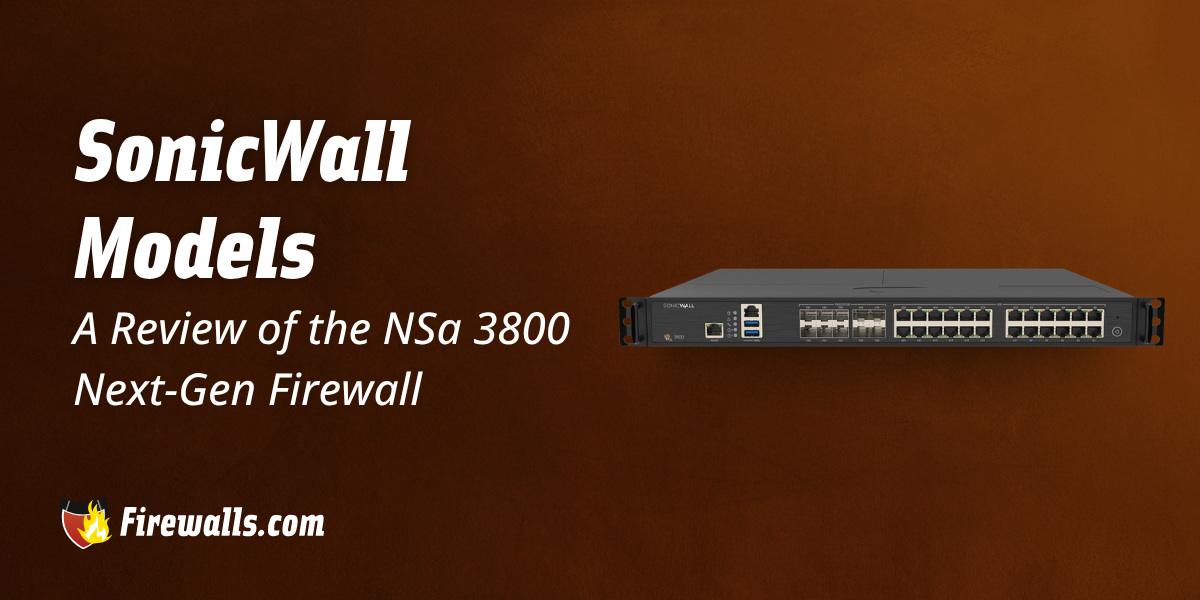
If you’re more privy to the SonicWall lineup, the NSa series is a good start for segmentation support. Moreover, SonicWall policies help limit unauthorized access, in addition to reducing opportunities for lateral movement to take place.
I also can’t forget to mention their Cloud Secure Edge service, as this is a big component in enabling Zero Trust access to private applications. Overall, you’re getting ZTNA and segmentation support, along with a layered security response, all in one place.

3. Fortinet FortiGate Firewalls
Another firewall manufacturer loved by many in the business world, Fortinet FortiGate firewalls come with some impressive features as well. With FortiGate, you’re getting microsegmentation support through specific security zones, dynamic segmentation and identity-based policies.
Moreover, FortiGate Universal ZTNA works to verify users, devices, and access conditions before letting the connection make it through. Tack on the integrated threat protection and support for hybrid and distributed networks, and you have the defense and response measures you need.
Business Network Security Best Practices for Implementing Microsegmentation
Regardless of business size or industry, there are a handful of business network security best practices for microsegmentation that apply to everyone. Through a combination of proper planning, access controls, and continuous audits, you can strengthen your network security immensely here.
Follow these steps to effectively implement microsegmentation across your network:
- Create an inventory of network assets and understand how users, devices, and apps interact
- Analyze communication patterns to determine which resources need access and where you should apply restrictions
- Create identity-based policies that limit users and devices to only the necessary apps and resources
- Review traffic patterns, alerts, and access attempts to identify potential issues or threats
- Adjust segmentation rules as your network evolves and security requirements shift
This is essentially your rule of thumb, especially if you’re just getting started with implementing ZTNA and microsegmentation through Sophos Central or another solution. It wasn’t long ago that 47% of cybersecurity professionals weren’t ready to implement Zero Trust due to a variety of reasons.3 Nevertheless, in today’s market, implementation is easier than ever before, thanks to next-gen hardware, modern security frameworks and layered security solutions.

Let’s Talk More About It
If you think about the fact that the Zero Trust security market exceeded $31.6 billion in 2023, you can only assume it’s made waves since then.4 At the end of the day, ZTNA strategies offer the best microsegmentation for securing networks.
With cloud adoption, remote work, and distributed environments becoming more common, so will ZTNA and segmentation in network security. As always, you have our team at Firewalls.com by your side when you’re ready to upgrade your network security stack.
Frequently Asked Questions
What is the Difference Between Microsegmentation and ZTNA?
Microsegmentation divides networks into smaller security zones, while ZTNA controls user and device access to specific apps and resources through policy enforcement.
How Does Microsegmentation Reduce the Impact of Network Attacks?
It limits access between systems, making it harder for attackers to move laterally across your network.
Why is ZTNA Important for Modern Business Networks?
ZTNA verifies every access request and applies least-privilege controls, which help protect cloud, remote, and hybrid environments.
Which Firewall Solutions Support Microsegmentation Strategies?
The likes of Sophos, SonicWall, and FortiGate are all reliable solutions that support segmentation, access controls, and threat protection features.
What are the First Steps for Implementing Microsegmentation?
Businesses should identify network assets, map traffic patterns, apply least-privilege policies, monitor activity, and continuously audit and update segmentation rules.
References:
- https://www.statista.com/statistics/1228254/zero-trust-strategy-adoption-plans-worldwide/
- https://www.statista.com/statistics/1315805/cyber-attacks-top-industries-worldwide/
- https://www.statista.com/statistics/1458903/global-zero-trust-implementation-plans/
- https://www.statista.com/statistics/1299061/global-zero-trust-security-market-value/